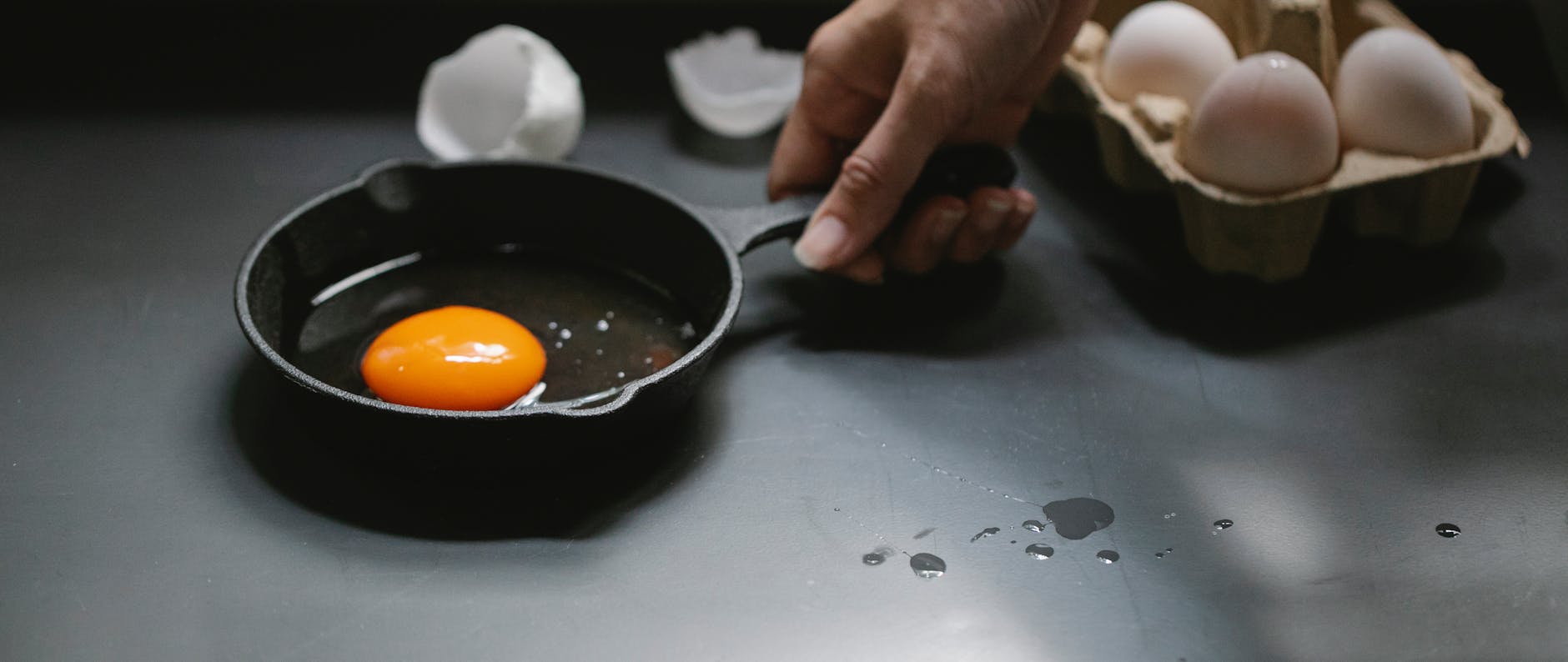
Best Japanese Iron Skillet Tetsu Frying Pan: 7 Top Picks for 2026
Japanese cast and wrought iron cookware occupies a unique space in the culinary world — somewhere between heirloom craft and daily workhorse. A well-seasoned Japanese iron skillet tetsu frying pan will outlast any non-stick pan you’ve ever owned, develop a naturally slick surface over time, and cook food with an even, radiant heat that modern pans simply can’t replicate.
I’ve been cooking with tetsu pans in my Tokyo kitchen for over a decade, and the difference between a quality Japanese iron skillet and a generic alternative is immediately obvious — in the weight distribution, the handle design, and the way heat moves across the cooking surface. These pans are forged with the same obsessive attention to detail that Japan applies to everything from kitchen knives to ceramics.
Whether you’re searing steak, stir-frying vegetables, or cooking tamagoyaki for Sunday breakfast, the right tetsu frying pan will transform your cooking. Here’s everything you need to know.
Quick Picks Summary
| Product | Best For | Weight | Price (approx.) | Rating |
|---|---|---|---|---|
| Iwachu Iron Frying Pan | Overall best / all-rounder | 1.6 kg | ~$85 | ⭐⭐⭐⭐⭐ |
| Turk Classic Skillet (Japan Edition) | High-heat searing | 1.8 kg | ~$120 | ⭐⭐⭐⭐½ |
| Vermicular Frying Pan | Precision home cooking | 1.4 kg | ~$195 | ⭐⭐⭐⭐⭐ |
| Lodge Cast Iron (Japan-sold version) | Budget entry-level | 2.1 kg | ~$45 | ⭐⭐⭐⭐ |
| Oigen Nambu Tekki Skillet | Traditional craftsmanship | 1.9 kg | ~$110 | ⭐⭐⭐⭐½ |
| Kama-Asa Tetsu Pan | Professional / restaurant use | 1.2 kg | ~$150 | ⭐⭐⭐⭐½ |
| Fujita Kinzoku Iron Frying Pan | Lightweight everyday use | 0.9 kg | ~$65 | ⭐⭐⭐⭐ |
How We Tested / Our Selection Criteria
Each pan on this list has been evaluated against a consistent set of criteria developed from years of cooking with Japanese iron cookware and speaking directly with craftspeople and kitchen specialists across Japan.
Our criteria included:
- Heat distribution and retention — tested with butter browning and steak searing
- Handle comfort and balance — critical for daily use and wok-style tossing
- Weight-to-performance ratio — heavier isn’t always better
- Seasoning ease — how quickly the pan develops a non-stick patina
- Durability and build quality — including edge finishing and thickness consistency
- Value for money — relative to price point and longevity
Pans were used over a minimum of three months of regular cooking before being included in this guide.
Iwachu Iron Frying Pan — Best Overall Japanese Iron Skillet
Iwachu is one of Japan’s most respected names in Nambu Tekki (南部鉄器) ironware, based in Morioka, Iwate Prefecture — a region with over 400 years of iron casting tradition. Their iron frying pan is the one I reach for most often in my own kitchen, and it’s the pan I recommend to friends visiting Japan who want to bring home something genuinely special.
The 26cm version (the sweet spot for most home cooks) weighs around 1.6kg — substantial but not punishing — and the slightly textured interior surface accelerates seasoning beautifully. Within about five or six uses, you’ll notice food releasing more easily. After a few months, you’ll wonder how you ever cooked without it.
The handle is cast as a single piece with the pan, which means no rivets to collect grease and no wobble over time. It runs slightly long compared to Western cast iron, giving you better leverage when tipping the pan to baste.
Pros:
– Exceptional heat retention and even distribution
– Single-piece cast construction — no weak points
– Develops non-stick seasoning faster than most cast iron
– Made by a heritage Japanese ironware brand (400+ year tradition)
– Suitable for all heat sources including IH (induction)
Cons:
– Heavier than wrought iron alternatives
– Requires careful drying to prevent rust
– Not the cheapest option in this category
| Spec | Detail |
|---|---|
| Material | Cast iron (Nambu Tekki) |
| Diameter | 24cm / 26cm options |
| Weight | 1.6 kg (26cm) |
| Handle | Single-cast integrated |
| Heat sources | Gas, IH, oven-safe |
| Price | ~$85 |
Best for: Home cooks who want a lifetime pan with genuine Japanese heritage and don’t mind a short seasoning-in period.
Vermicular Frying Pan — Best for Precision Home Cooking
Vermicular is the brand that made Japanese cast iron famous internationally, and their frying pan is an engineering marvel. Manufactured in Nagoya by Aichi Dobby, a company that originally made precision machine parts, the Vermicular pan is cast to tolerances of just 0.3mm — extraordinary for cookware.
What this means in practice is a lid that fits with near-airtight precision (on their combo versions), and a cooking surface that is almost perfectly flat. This pan heats with remarkable evenness, and the enamel-coated exterior means you don’t need to season the outside.
The interior, however, is uncoated cast iron — so you still get the benefit of a developing seasoned surface. It’s the best of both worlds. At around $195, it’s a significant investment, but Vermicular pans are genuinely built to last generations.
Pros:
– Precision-engineered to 0.3mm tolerance
– Flat cooking surface for even heat
– Enamel exterior means no exterior rust concerns
– Stunning Japanese industrial design
– Excellent for low-and-slow cooking as well as high-heat searing
Cons:
– Premium price point
– Enamel exterior can chip if dropped
– Heavier than some alternatives
| Spec | Detail |
|---|---|
| Material | Enameled cast iron (interior uncoated) |
| Diameter | 26cm |
| Weight | 1.4 kg |
| Handle | Stainless steel riveted |
| Heat sources | All including IH, oven-safe to 260°C |
| Price | ~$195 |
Best for: Serious home cooks who want Japanese precision engineering and are happy to invest in a pan they’ll pass down.
Oigen Nambu Tekki Skillet — Best for Traditional Craftsmanship
Oigen is another storied name from the Nambu Tekki ironware tradition of Iwate Prefecture, and their skillets carry a visual character that sets them apart. The handle features subtle traditional patterning — a nod to the decorative ironwork that made this region famous for centuries — and the overall finish has a handcrafted quality you can feel immediately.
I first encountered Oigen’s work at a kitchen goods fair in Tokyo, and the weight and finish of the pan stopped me in my tracks. It’s the kind of cookware that feels like it was made by someone who cared deeply about the outcome.
Performance-wise, the Oigen skillet is excellent. The slightly rough interior texture — characteristic of Nambu Tekki — creates microscopic pockets that hold seasoning oil and release it back to food during cooking. The result, after proper seasoning, is a genuinely non-stick surface.
Pros:
– Authentic Nambu Tekki heritage craftsmanship
– Beautiful traditional handle patterning
– Excellent seasoning retention
– Available in multiple sizes (20cm–28cm)
– Passed down as a family heirloom piece
Cons:
– Slightly heavier than comparable pans
– Hand washing only — no dishwasher
– Takes patience to fully season
| Spec | Detail |
|---|---|
| Material | Cast iron (Nambu Tekki) |
| Diameter | 20cm / 24cm / 26cm / 28cm |
| Weight | 1.9 kg (26cm) |
| Handle | Cast iron, patterned |
| Heat sources | Gas, IH, oven-safe |
| Price | ~$110 |
Best for: Those who want a piece of Japanese culinary heritage that looks as beautiful as it cooks.
Kama-Asa Tetsu Pan — Best for Professional and Restaurant Use
Kama-Asa is a legendary kitchenware shop in Kappabashi — Tokyo’s famous “Kitchen Town” district — that has been selling professional cookware since 1908. Their house-brand tetsu frying pan is a wrought iron (as opposed to cast iron) design, which means it’s significantly lighter than the Nambu Tekki options above while still offering superb heat performance.
At just 1.2kg for the 26cm version, this pan can be tossed, flipped, and maneuvered like a professional chef’s tool. The thinner gauge of wrought iron heats up faster than cast iron, making it ideal for high-temperature wok-style cooking or quick vegetable stir-fries. It also responds to heat changes more rapidly, giving you more control.
The trade-off is that wrought iron retains heat less aggressively than cast iron — so for long, slow braises or thick steaks, the Iwachu or Oigen options above will serve you better.
Pros:
– Significantly lighter than cast iron alternatives
– Heats up very quickly — ideal for professional-style cooking
– Excellent for stir-frying and tossing techniques
– Sourced from a legendary Tokyo kitchen institution
– More responsive to temperature changes
Cons:
– Less heat retention than cast iron
– Requires more frequent re-seasoning
– Handle gets hot — use a cloth or silicone grip
| Spec | Detail |
|---|---|
| Material | Wrought iron (tetsu) |
| Diameter | 24cm / 26cm / 28cm |
| Weight | 1.2 kg (26cm) |
| Handle | Welded steel |
| Heat sources | Gas, IH compatible |
| Price | ~$150 |
Best for: Confident home cooks and professionals who want a lightweight, highly responsive pan for fast, high-heat cooking.
Fujita Kinzoku Iron Frying Pan — Best Lightweight Everyday Option
Fujita Kinzoku makes stamped and pressed iron cookware that bridges the gap between the accessibility of non-stick and the performance of traditional iron. Their frying pan is the lightest on this list at just 0.9kg, making it approachable for cooks who’ve been put off by the heft of cast iron but still want the benefits of cooking on iron.
The thinner construction means it heats extremely quickly and is easy to handle one-handed. It’s the pan I’d recommend to someone transitioning from non-stick for the first time — the learning curve is gentler, and the seasoning process is faster due to the thinner metal.
It won’t replace a Nambu Tekki cast iron pan for serious searing or slow cooking, but as a daily driver for eggs, vegetables, and quick pan sauces, it’s excellent value.
Pros:
– Extremely lightweight — easy for all users
– Heats up very quickly
– Affordable entry point into Japanese iron cookware
– Seasons relatively quickly
– Easy to maneuver for tossing and flipping
Cons:
– Less heat retention than cast iron options
– Thinner gauge can warp on very high heat over time
– Less impressive as a heritage/gift item
| Spec | Detail |
|---|---|
| Material | Pressed iron |
| Diameter | 22cm / 24cm / 26cm |
| Weight | 0.9 kg (24cm) |
| Handle | Welded steel |
| Heat sources | Gas, IH, oven-safe to 200°C |
| Price | ~$65 |
Best for: Beginners to iron cookware, or anyone who wants a lightweight everyday pan without sacrificing iron cooking benefits.
Lodge Cast Iron Skillet (Japan Market) — Best Budget Entry-Level Pick
Lodge is an American brand, but it deserves a place on this list because it’s widely sold in Japan, often pre-seasoned to Japanese culinary standards, and represents by far the best value for anyone who wants to start cooking with iron without committing to a premium Japanese brand immediately.
The Japan-market Lodge skillets are sometimes finished slightly differently from their US counterparts — I’ve noticed the seasoning applied at Japanese retailers like Tokyu Hands tends to be more thorough, and the pans often come with Japanese-language care guides that are more detailed than Western versions.
At around $45, it’s the obvious starting point for anyone unsure whether iron cookware is for them.
Pros:
– Excellent value for money
– Widely available in Japan and internationally
– Pre-seasoned and ready to use
– Extremely durable and difficult to damage
– Good heat retention for the price
Cons:
– Heavier than Japanese wrought iron alternatives
– Rougher interior surface than premium Japanese options
– Not as visually refined as Japanese heritage brands
– Made in USA, not Japan
| Spec | Detail |
|---|---|
| Material | Cast iron |
| Diameter | 25.4cm (10-inch) |
| Weight | 2.1 kg |
| Handle | Cast iron integrated |
| Heat sources | All including IH, oven-safe |
| Price | ~$45 |
Best for: Budget-conscious buyers or first-time iron skillet users who want to test the waters before investing in a premium Japanese pan.
Buying Guide: What to Look for in a Japanese Iron Skillet Tetsu Frying Pan
Cast Iron vs. Wrought Iron (Tetsu)
The most important decision when choosing a Japanese iron skillet is understanding the difference between cast iron (鋳鉄, chūtetsu) and wrought iron (鉄, tetsu). Cast iron is thicker, heavier, and retains heat longer — ideal for searing meat, slow cooking, and baking. Wrought iron is thinner, lighter, and more responsive — better for stir-frying, tossing vegetables, and everyday quick cooking.
Size and Weight
For most home cooks, a 24cm–26cm pan is the sweet spot. It’s large enough for a two-person meal but manageable on standard home burners. Weight is a personal consideration — if you have wrist or shoulder issues, a wrought iron option under 1.2kg will serve you much better than a 2kg cast iron pan.
Handle Design
Look for handles that are either cast as one piece (no rivets, no wobble) or welded securely with no flex. Long handles give better leverage; short handles give better oven compatibility. Many Japanese tetsu pans have helper handles on the opposite side for heavier versions — worth having on anything over 1.5kg.
IH (Induction) Compatibility
All cast iron pans work on induction. Some wrought iron pans do too, but check the base — it needs to be flat and ferromagnetic. If you cook on IH (extremely common in Japanese apartments), confirm compatibility before buying.
Seasoning and Maintenance
A Japanese iron skillet tetsu frying pan is not a low-maintenance item — but the maintenance is simple. Wash with hot water and a brush (no soap), dry thoroughly over heat, and apply a thin layer of oil after each use. The reward is a pan that gets better with every cook.
FAQ
Q: Do Japanese iron skillets work on induction cooktops?
A: Most do, but always check the product specifications. Cast iron pans (like the Iwachu and Oigen) are universally induction-compatible. Wrought iron pans need a flat, ferromagnetic base — most quality Japanese brands accommodate this, but confirm before purchasing.
Q: How long does it take to season a Japanese tetsu frying pan?
A: Initial seasoning takes 3–5 cooking sessions with oil-heavy foods like bacon, fried rice, or stir-fried vegetables. Full non-stick performance typically develops after 2–3 months of regular use. Nambu Tekki cast iron’s textured surface actually accelerates this process compared to smooth cast iron.
Q: Can I use soap to wash my Japanese iron skillet?
A: Avoid it. Soap strips the seasoning layer you’ve worked to build. Hot water and a stiff brush or chain mail scrubber is all you need. If food is stuck, simmer water in the pan to loosen it. Dry immediately over heat and apply a thin coat of oil before storing.
Q: What’s the difference between Nambu Tekki and regular cast iron?
A: Nambu Tekki (南部鉄器) refers specifically to ironware made in the Morioka and Mizusawa areas of Iwate Prefecture, Japan, using techniques developed over 400 years. The iron is cast using sand molds, and the characteristic pebbled surface texture is distinctive. Quality control and craftsmanship standards are exceptionally high — it’s a designated Traditional Craft Product of Japan.
Q: Where can I buy an authentic Japanese iron skillet in Japan?
A: Kappabashi (Tokyo), Tokyu Hands (multiple locations), and Loft stores all carry good selections. For Nambu Tekki specifically, department stores like Isetan and Takashimaya often have dedicated sections. Online, Rakuten and Amazon Japan ship internationally for many of these brands.
Conclusion
A great Japanese iron skillet tetsu frying pan is one of the most rewarding kitchen investments you can make. Unlike non-stick pans that degrade within a few years, a well-maintained Japanese iron pan improves with every use and can genuinely last a lifetime — or longer.
I remember standing in a knife and cookware shop in Kappabashi years ago, picking up an Oigen skillet and being struck by how intentional it felt — the weight, the texture, the slightly rough interior that I knew would become silky smooth over years of cooking. That’s the Japanese approach to cookware: built for the long relationship, not the quick sale.
My top recommendation for most readers is the Iwachu Iron Frying Pan — it hits the sweet spot of heritage quality, performance, and price. If budget allows, the Vermicular Frying Pan is an extraordinary piece of engineering worth every yen. And if you’re just starting out, grab the Lodge to build your iron cooking skills before committing to a premium Japanese option.
Whichever pan you choose, treat it well, cook with it often, and it will reward you for decades.