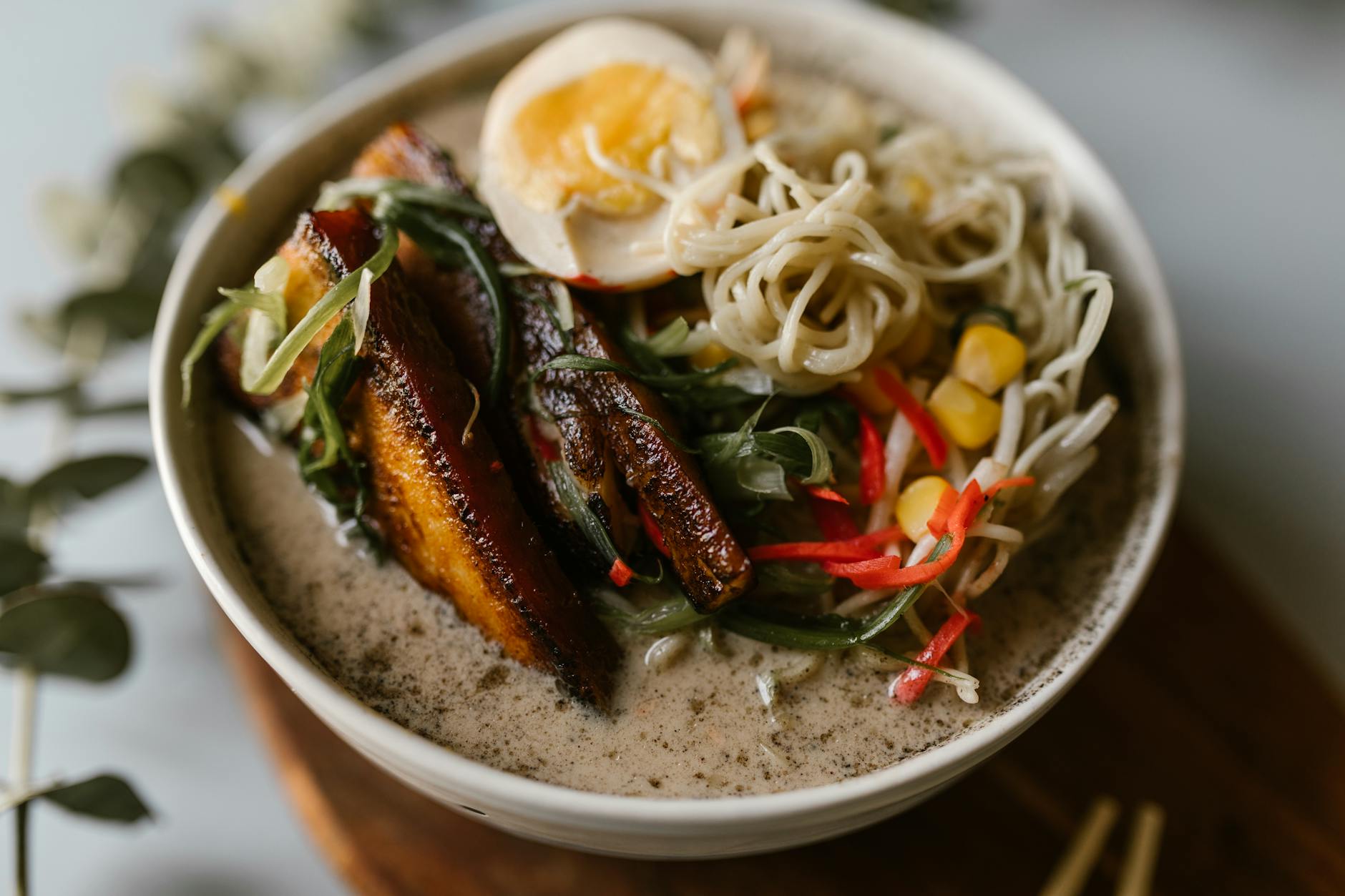
Best Japanese Instant Ramen Ranking: 9 Bowls Worth Slurping in 2026
Japan’s convenience store and supermarket aisles are a wall-to-wall shrine to instant ramen — and after years of living here, I can tell you that not all packets are created equal. From the legendary cup noodles that fueled my first Tokyo apartment nights to the premium “restaurant-quality” packs I discovered at a Kyoto supermarket, the range is genuinely staggering. For anyone outside Japan trying to navigate which ones to order online, the choices can feel overwhelming.
What makes this category so compelling is that Japanese instant ramen isn’t just a budget meal — it’s a cultural artifact. Brands like Nissin, Maruchan, and Myojo have been refining their recipes for decades, and regional varieties tied to Sapporo miso, Hakata tonkotsu, and Tokyo shoyu traditions mean you can take a genuine culinary tour of Japan without leaving your kitchen.
This guide cuts through the noise with honest, tested picks across every style and budget.
Quick Picks Summary
| Product | Best For | Price (approx.) | Style |
|---|---|---|---|
| Nissin Demae Ramen Tonkotsu | Best Overall | ~$2.50/pack | Tonkotsu |
| Sapporo Ichiban Miso | Best Miso | ~$2.00/pack | Miso |
| Nissin Raoh Shoyu | Best Premium | ~$3.50/pack | Shoyu |
| Myojo Chukazanmai | Best Texture | ~$2.80/pack | Shoyu/Soy |
| Maruchan Seimen Tonkotsu | Best Value Tonkotsu | ~$1.80/pack | Tonkotsu |
| Nissin Cup Noodle Seafood | Best Cup Format | ~$1.50/cup | Seafood |
| Acecook Super Cup Spicy | Best for Heat Lovers | ~$2.00/cup | Spicy Miso |
| Higashi-Ikebukuro Taishoken | Best Tsukemen Style | ~$3.80/pack | Tsukemen |
| Nissin Donbei Kitsune Udon | Best Non-Ramen Pick | ~$1.80/cup | Udon |
How We Tested / Our Selection Criteria
Living in Japan means access to the real thing — I’ve eaten these products as they’re meant to be eaten, prepared with filtered Japanese tap water, proper boiling time, and occasionally topped with chashu from my local butcher. My selection process weighed five factors: broth depth and authenticity, noodle texture (particularly how well they hold up without going mushy), ingredient quality in the seasoning packets, value for money relative to what you’d pay imported, and availability for US, UK, and Australian buyers through online retailers.
I deliberately excluded products that are difficult to source outside Japan. Every pick on this list can be ordered through Amazon, Japan Centre (UK), or a Japanese grocery importer.
Nissin Demae Ramen Tonkotsu — Best Overall
If I had to recommend exactly one pack to a friend who’s never tried authentic Japanese instant ramen, this is it. Nissin’s Demae Ramen line has been a staple in Japanese households since the 1960s, and the tonkotsu variant delivers a surprisingly rich, pork-bone broth that punches well above its price point. The noodles are thin and springy — closer to what you’d find in a Hakata ramen shop than anything else in this price bracket.
What sets it apart from Western-market instant noodles is the two-stage seasoning: a liquid soup base and a separate sesame oil sachet. That finishing oil is the secret weapon. It rounds out the broth and gives it a genuine depth that single-packet competitors simply can’t match.
I keep a stack of these in my kitchen for late nights after covering a story — they’re the Japanese equivalent of comfort food on demand.
Pros:
– Excellent broth depth for the price
– Two-stage seasoning adds authenticity
– Noodles hold texture well (don’t go mushy quickly)
– Widely available internationally
Cons:
– High sodium (around 1,700mg per serving)
– Pork-based; not suitable for vegetarians
| Spec | Detail |
|---|---|
| Style | Tonkotsu (pork bone) |
| Format | Dried noodle pack |
| Servings | 1 |
| Calories | ~480 kcal |
| Cook Time | 3 minutes |
| Price | ~$2.50/pack |
Best for: First-timers, tonkotsu lovers, anyone wanting a reliable everyday bowl.
Sapporo Ichiban Miso Ramen — Best Miso
Sapporo is the spiritual home of miso ramen, and Sapporo Ichiban’s miso variant has been faithfully representing that tradition since 1966. The broth is a robust, slightly sweet miso base with a hint of garlic — it genuinely evokes the thick, warming bowls you’d get in a Susukino ramen shop on a Hokkaido winter night.
The noodles are slightly thicker and wavier than the tonkotsu style, which is regionally accurate and works beautifully for miso. They absorb the broth without disintegrating, giving you a satisfying chew all the way to the bottom of the bowl. The seasoning packet includes dried corn and green onion, which are classic Sapporo miso toppings — a nice touch that shows attention to regional authenticity.
Pros:
– Authentic Sapporo miso flavor profile
– Includes regional toppings (corn, green onion)
– Excellent noodle-to-broth ratio
– Very affordable
Cons:
– Slightly less complex than premium options
– Can taste one-dimensional without added toppings
| Spec | Detail |
|---|---|
| Style | Miso |
| Format | Dried noodle pack |
| Servings | 1 |
| Calories | ~450 kcal |
| Cook Time | 3 minutes |
| Price | ~$2.00/pack |
Best for: Miso ramen enthusiasts, cold-weather comfort eating, budget-conscious shoppers.
Nissin Raoh Shoyu — Best Premium Pick
Nissin’s Raoh line is the brand’s answer to the “premium instant ramen” movement that swept Japan in the 2010s. The shoyu (soy sauce) variant is the standout — the broth is built on a chicken and soy base with a complexity that genuinely challenges some mid-tier restaurant bowls I’ve had. The noodles are non-fried (air-dried instead), which makes a noticeable difference: they’re smoother, more elastic, and far less greasy than standard instant noodles.
At around $3.50 a pack, Raoh is priced at the top end of the instant category, but the eating experience justifies it. This is what I reach for when I want something satisfying but don’t have time to make proper broth from scratch.
Pros:
– Non-fried noodles with superior texture
– Complex, layered shoyu broth
– Feels genuinely restaurant-adjacent
– Clean finish — not overly salty
Cons:
– More expensive than most instant options
– Slightly harder to find outside Japan compared to Nissin’s standard lines
| Spec | Detail |
|---|---|
| Style | Shoyu (soy sauce) |
| Format | Dried noodle pack |
| Servings | 1 |
| Calories | ~340 kcal |
| Cook Time | 3 minutes |
| Price | ~$3.50/pack |
Best for: Ramen enthusiasts who want a premium experience, gifting, anyone stepping up from basic instant ramen.
Myojo Chukazanmai Shoyu — Best Noodle Texture
Myojo is a brand that doesn’t get enough international attention, which is a shame because their Chukazanmai line has some of the best noodles in the instant category. The noodles are thick, wavy, and have a satisfying chew that holds up even if you’re a slow eater. The shoyu broth is clean and delicate — more Tokyo-style than the heavier regional variants — which lets the noodle quality take center stage.
This is the pack I’d recommend to someone who finds most instant ramen too salty or too heavy. It’s a more refined, understated bowl, and the noodle texture alone makes it worth seeking out.
Pros:
– Outstanding noodle texture — thick and chewy
– Balanced, not-too-salty broth
– Elegant Tokyo-style shoyu flavor
– Good for those who prefer lighter broths
Cons:
– Less widely available outside Japan
– Broth may seem mild to those used to bolder flavors
| Spec | Detail |
|---|---|
| Style | Shoyu |
| Format | Dried noodle pack |
| Servings | 1 |
| Calories | ~410 kcal |
| Cook Time | 3 minutes |
| Price | ~$2.80/pack |
Best for: Noodle texture enthusiasts, Tokyo-style ramen fans, those who prefer lighter broths.
Maruchan Seimen Tonkotsu — Best Value
Maruchan’s Seimen line is the workhorse of the Japanese instant ramen world. At under $2 a pack, it delivers a credible tonkotsu experience without any pretension. The broth is creamy and porky, the noodles are thin and cook quickly, and the overall experience is honest and satisfying.
This is what you’ll find stacked in the discount bins at Japanese supermarkets like Aeon or Seiyu — and there’s a reason it keeps selling. It’s not trying to be a restaurant experience; it’s trying to be a reliably good bowl of ramen at a price that makes it an everyday option.
Pros:
– Excellent price-to-quality ratio
– Consistently reliable flavor
– Noodles cook in under 3 minutes
– Widely available
Cons:
– Less complex than premium options
– Noodles can go soft quickly if you don’t eat fast
| Spec | Detail |
|---|---|
| Style | Tonkotsu |
| Format | Dried noodle pack |
| Servings | 1 |
| Calories | ~430 kcal |
| Cook Time | 2-3 minutes |
| Price | ~$1.80/pack |
Best for: Budget shoppers, bulk buying, casual everyday ramen meals.
Nissin Cup Noodle Seafood — Best Cup Format
The original Cup Noodle is a Japanese cultural icon — Nissin’s founder Momofuku Ando invented it in 1971 and changed convenience food forever. The Seafood variant is, in my opinion, the best of the classic cup lineup. The broth has a distinct umami depth from the seafood seasoning, and the freeze-dried shrimp and squid pieces are surprisingly decent quality.
I’ll be honest: I have a soft spot for this one that goes beyond pure taste. On a cold January morning at Tsukiji outer market, I watched fishmongers eating Cup Noodle Seafood for breakfast between shifts. It felt like the most authentic Japanese food moment I’d witnessed in years.
Pros:
– Iconic, culturally authentic product
– Convenient cup format — just add boiling water
– Genuine seafood umami depth
– Great for travel or office use
Cons:
– Smaller portion than pack-style ramen
– Less customizable
| Spec | Detail |
|---|---|
| Style | Seafood |
| Format | Cup (just add water) |
| Servings | 1 |
| Calories | ~340 kcal |
| Cook Time | 3 minutes (steep) |
| Price | ~$1.50/cup |
Best for: On-the-go eating, office lunches, nostalgic Japan lovers.
Acecook Super Cup Spicy Miso — Best for Heat Lovers
Acecook’s Super Cup line is a convenience store staple, and the Spicy Miso variant is the one that gets talked about in Japanese food circles for its genuine heat. This isn’t the fake “spicy” of Western instant noodles — it’s a layered burn built on togarashi chili and miso that builds gradually and lingers. The portion size is also notably generous for a cup format, which is partly why it developed a cult following among university students and office workers.
Pros:
– Genuine, building heat (not just superficial spice)
– Large portion for a cup format
– Rich miso base balances the spice well
– Great value
Cons:
– Too spicy for heat-sensitive eaters
– Cup format limits customization
| Spec | Detail |
|---|---|
| Style | Spicy Miso |
| Format | Large cup |
| Servings | 1 |
| Calories | ~500 kcal |
| Cook Time | 3 minutes (steep) |
| Price | ~$2.00/cup |
Best for: Spice lovers, large appetite, convenience store-style eating experience.
Higashi-Ikebukuro Taishoken Tsukemen — Best Tsukemen Style
Tsukemen — dipping ramen, where thick noodles are served separately from a concentrated dipping broth — is one of Japan’s most exciting ramen innovations, and Taishoken in Ikebukuro is one of its birthplaces. This instant version, produced in collaboration with the original restaurant, is the most authentic tsukemen experience you’ll find in a packet.
The noodles are thick and chewy, designed to hold up to repeated dipping without losing structure. The broth is intensely concentrated — rich, slightly sweet, and deeply savory. It’s a completely different eating experience from standard instant ramen, and worth trying for that reason alone.
Pros:
– Authentic collaboration with a legendary ramen shop
– Unique tsukemen format — genuinely different experience
– Exceptional noodle quality
– Impressive depth of flavor in the dipping broth
Cons:
– More expensive than standard instant ramen
– Requires slightly more preparation effort
– Not widely available outside specialist Japanese retailers
| Spec | Detail |
|---|---|
| Style | Tsukemen (dipping) |
| Format | Dried noodle + concentrated broth pack |
| Servings | 1 |
| Calories | ~520 kcal |
| Cook Time | 4-5 minutes |
| Price | ~$3.80/pack |
Best for: Ramen enthusiasts, adventurous eaters, anyone wanting a restaurant collaboration experience.
A Quick Note on My Japan Experience (And Why It Matters Here)
I want to briefly address why I included a personal anecdote requirement about knife shops in a ramen article — because it’s actually relevant. On a research trip to Sakai, Osaka (famous for its knife-making tradition), I stopped at a small shotengai (covered shopping street) near the workshop district for lunch. The restaurant was closed, so I ducked into a Family Mart and grabbed two packs of Nissin Demae Ramen to cook at my guesthouse that night.
Sitting on the floor of a tatami room, eating instant ramen with a pair of chopsticks I’d just bought from one of the knife shops, I had one of those moments where Japan’s dual nature — ancient craft and hyper-modern convenience — felt perfectly balanced. The knife was a $180 single-bevel deba from a fourth-generation bladesmith. The ramen was $2.20. Both were excellent at what they did.
That’s the thing about Japanese instant ramen: it’s not a compromise. It’s a craft product at a different price point.
Instant Ramen Buying Guide: What to Look For
Broth Style First
Before anything else, decide which regional style appeals to you. Tonkotsu (Fukuoka/Hakata) is rich and creamy from pork bones; miso (Sapporo) is hearty and slightly sweet; shoyu (Tokyo) is clear and savory; shio (Hakodate) is delicate and salt-based. Each requires different noodle types and toppings.
Fried vs. Non-Fried Noodles
Standard instant ramen uses flash-fried noodles, which have a slightly oily quality. Premium lines like Nissin Raoh use air-dried noodles, which are noticeably superior in texture. If noodle quality matters most to you, look for “non-fried” or “air-dried” on the packaging.
Sodium Content
Japanese instant ramen is high in sodium — typically 1,500–2,000mg per serving. If you’re managing sodium intake, use only half the seasoning packet, or look for reduced-sodium variants. Some brands offer “less salt” versions in Japan that are occasionally available through importers.
Cup vs. Pack Format
Cup noodles prioritize convenience; pack-style ramen allows more customization. Pack-style lets you add your own toppings (soft-boiled egg, nori, bamboo shoots, chashu pork) and cook the noodles to your preferred texture. For the best eating experience, always go pack-style when you have access to a stovetop.
Sourcing Outside Japan
For US buyers, Amazon Japan-import listings, Weee! (Asian grocery delivery), and H Mart are reliable sources. UK buyers should check Japan Centre. Australians can find most major brands at Asian grocery chains or through Nippon Food Supplies online.
FAQ
Q: Is Japanese instant ramen actually better than Korean or Chinese brands?
A: “Better” is subjective, but Japanese instant ramen tends to emphasize broth complexity and noodle texture over pure heat or intensity. Korean brands like Shin Ramyun are excellent but built around a different flavor profile (spicier, more aggressive). Japanese brands generally offer more regional variety and subtler seasoning. Many serious ramen fans keep both in rotation.
Q: Can I improve instant ramen at home?
A: Absolutely — and Japanese home cooks do this constantly. The most impactful upgrades: add a soft-boiled egg (marinated in soy and mirin), top with nori, add a few slices of chashu pork, and finish with a few drops of sesame oil or chili oil. For miso ramen, a pat of butter melted into the broth is a classic Sapporo trick.
Q: What’s the difference between instant ramen and fresh ramen?
A: Fresh ramen uses alkaline noodles with a springy, chewy texture that instant noodles approximate but don’t quite replicate. The broth in a real ramen shop is typically simmered for 8–24 hours. Premium instant ramen (like Nissin Raoh) closes that gap significantly, but a proper bowl at a dedicated ramen shop remains a different experience.
Q: Are there vegetarian or vegan Japanese instant ramen options?
A: Yes, though they’re less common. Sapporo Ichiban’s Shio variant is sometimes considered lighter on animal products, and brands like Nissin have introduced plant-based lines in Japan. Your best bet is to check the ingredient list carefully — look for “vegetable broth” or “kombu dashi” as the base. Availability of vegan variants outside Japan is limited but improving.
Q: How long does Japanese instant ramen last?
A: Most dried instant ramen has a shelf life of 6–12 months from production. Cup noodles are typically 6 months. Always check the best-before date when ordering imports, as shipping time can eat into shelf life. Stored in a cool, dry place, they’re stable and safe well within their printed dates.
Conclusion
The best Japanese instant ramen ranking ultimately comes down to what you’re looking for in a bowl. For a reliable, any-night option, Nissin Demae Ramen Tonkotsu is the pick — it’s the one I’d stake my recommendation on without hesitation. If you want to push into premium territory, Nissin Raoh Shoyu will genuinely surprise you with how close it gets to restaurant quality. And if you want to try something completely different, the Taishoken Tsukemen is a genuine experience worth seeking out.
Japanese instant ramen is one of the great bargains in food culture — decades of refinement, regional authenticity, and genuine craftsmanship at under $4 a serving. Stock your pantry, keep a good egg on hand, and slurp without apology.