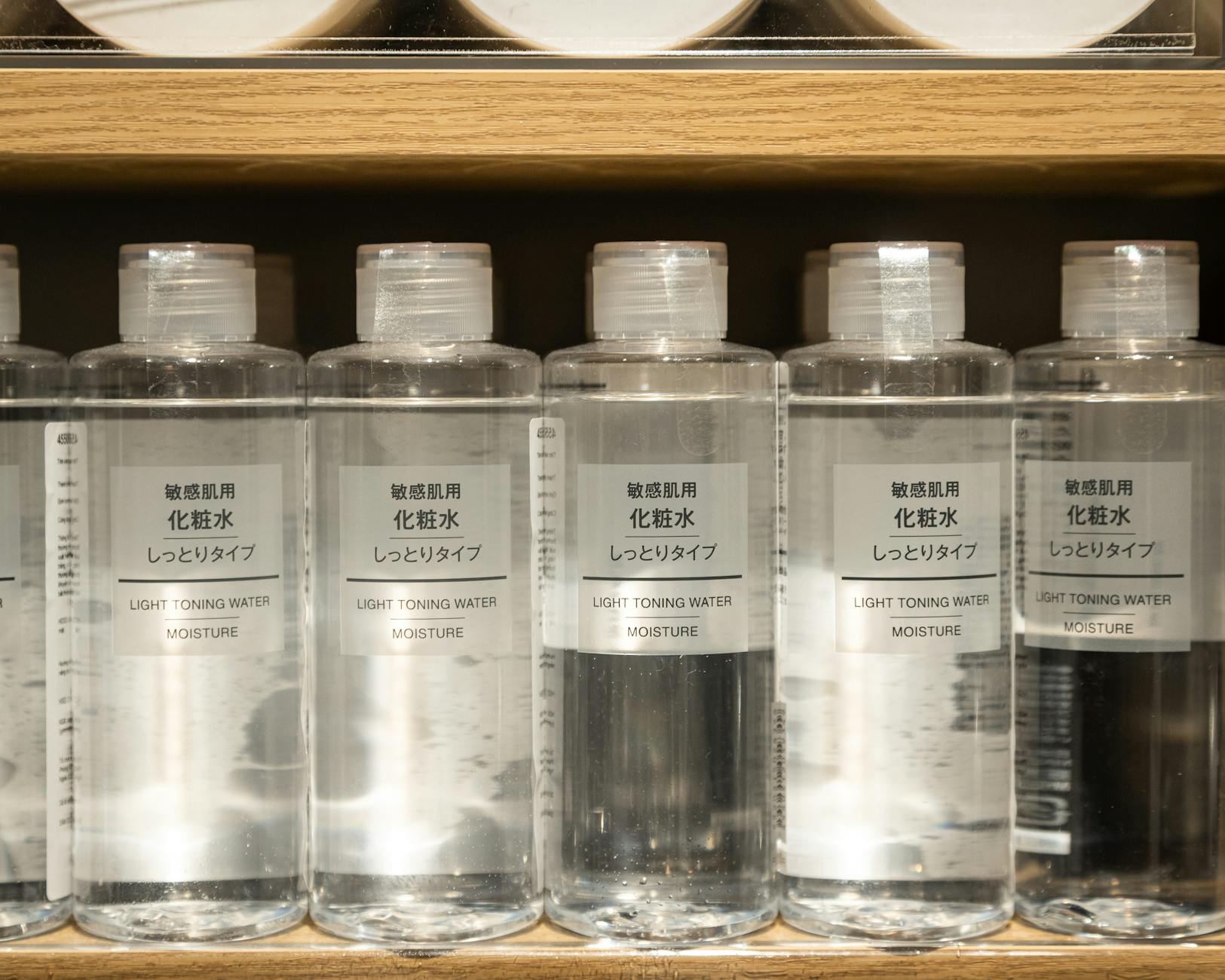
Best Japanese Moisturizer for Dry Skin: 7 Picks That Actually Work
Japanese women have some of the most enviable skin in the world — and after living here for years, I can tell you it’s not genetics alone. It’s the products. Walk into any drugstore in Osaka or Tokyo and you’ll find an entire wall dedicated to moisturizers, each one formulated with an almost obsessive attention to texture, absorption, and long-term hydration. The challenge, especially if you’re shopping from abroad, is knowing which ones are actually worth your money.
Dry skin is no joke — particularly in winter, when the combination of cold outdoor air and blasting indoor heating strips your skin barrier down to nothing. I’ve personally gone through dozens of Japanese moisturizers over the years, from budget drugstore finds to high-end department store creams, and I know which ones genuinely deliver and which ones are all packaging.
This roundup focuses specifically on the best Japanese moisturizer for dry skin — products that go beyond surface-level hydration and actually repair and protect your skin barrier over time.
Quick Picks
| Product | Best For | Price (USD) | Key Ingredient |
|---|---|---|---|
| Hada Labo Gokujyun Premium Lotion | Overall best / budget | ~$12 | 5-type Hyaluronic Acid |
| Kose Softymo Deep Moisture Cream | Rich overnight repair | ~$10 | Collagen + Ceramide |
| Shiseido Ultimune Power Infusing Concentrate | Anti-aging dry skin | ~$85 | Reishi + ImuGeneration |
| Curél Intensive Moisture Cream | Sensitive + dry skin | ~$20 | Ceramide Function Ingredient |
| Minon Amino Moist Rich Moisture Cream | Allergy-prone dry skin | ~$22 | 9 Amino Acids |
| DHC Olive Virgin Oil | Dry + dull skin | ~$28 | Pure Olive Squalene |
| Kikumasamune Sake Lotion | Mature / textured dry skin | ~$18 | Sake + Rice Ferment |
How We Tested / Our Selection Criteria
These recommendations are based on personal, long-term use — not a single-week trial. Living in Japan through multiple winters (which are brutal on skin, especially in Niigata and Kyoto where I’ve spent extended time) gave me real-world conditions to test these products properly. I evaluated each moisturizer on:
- Immediate hydration — Does it relieve tightness and flaking right away?
- Lasting moisture — Is skin still hydrated 8–12 hours later?
- Texture and absorption — Does it sit on skin or actually sink in?
- Ingredient quality — Are the active hydrating ingredients well-dosed and evidence-backed?
- Skin barrier support — Does it improve skin condition over 2–4 weeks of consistent use?
- Value for money — Japanese products often punch well above their price point
Hada Labo Gokujyun Premium Lotion — Best Overall Japanese Moisturizer for Dry Skin
If you ask any long-term Japan resident what single skincare product they’d recommend, there’s a good chance they’ll say Hada Labo. The Gokujyun Premium Lotion is the upgraded version of their iconic original, and it’s been a staple in my bathroom cabinet for years. I first picked it up at a Matsumoto Kiyoshi in Osaka for about ¥1,200 — roughly $9 at the time — and I’ve never looked back.
The formula contains five different molecular weights of hyaluronic acid, which means it hydrates at multiple depths in the skin rather than just sitting on the surface. It also includes super hyaluronic acid (which holds twice as much moisture as regular HA) and nano hyaluronic acid that penetrates deeper layers. The texture is a thick, slightly gel-like lotion that absorbs surprisingly quickly without leaving a sticky film.
For dry skin specifically, this works best as a first step after cleansing — layer it generously, then follow with a richer cream on top. In Japan, this “lotion first” approach is standard practice.
Pros:
– Exceptional multi-depth hydration
– Fragrance-free and suitable for most skin types
– Unbeatable value for money
– Widely available internationally
Cons:
– Lotion texture may not be enough alone for very dry skin
– Large bottle can feel wasteful if you want to try before committing
Key Specs
| Feature | Detail |
|---|---|
| Size | 170ml |
| Key Ingredients | 5-type Hyaluronic Acid, Super HA |
| Fragrance | Free |
| Price (USD) | ~$12 |
| Skin Type | All, especially dry |
Best for: Anyone new to Japanese skincare, budget-conscious shoppers, and layering-method beginners.
Kose Softymo Deep Moisture Cream — Best Budget Overnight Repair Cream
Don’t let the humble packaging fool you. This big tub of white cream — available at almost every Japanese convenience store and drugstore for under ¥800 — is one of the most effective budget moisturizers I’ve ever used. I started using it during a particularly dry winter in Kyoto, when my skin was visibly flaking despite using a serum and SPF every day.
The formula combines collagen, ceramide, and hyaluronic acid in a rich, emollient base. It’s thick without being greasy, and it works particularly well as a sleeping mask or final seal over lighter layers. The ceramide content is especially valuable for dry skin sufferers — ceramides are the lipids that hold your skin barrier together, and when they’re depleted, moisture escapes rapidly.
One thing I appreciate is the no-frills approach. No fancy fragrance, no complicated layering instructions. Just apply, sleep, wake up with noticeably softer skin.
Pros:
– Exceptional value (large 200g jar for ~$10)
– Ceramide-rich formula supports barrier repair
– Works well as a sleeping mask
– Fragrance is very subtle — not off-putting
Cons:
– Texture is too heavy for daytime use under makeup
– Jar packaging is less hygienic than pump dispensers
– Not ideal for oily or combination skin
Key Specs
| Feature | Detail |
|---|---|
| Size | 200g |
| Key Ingredients | Collagen, Ceramide, Hyaluronic Acid |
| Fragrance | Subtle |
| Price (USD) | ~$10 |
| Skin Type | Dry, very dry |
Best for: Nighttime repair, very dry or flaky skin, budget shoppers who want serious results.
Shiseido Ultimune Power Infusing Concentrate — Best Premium Japanese Moisturizer for Dry Skin
Shiseido is one of Japan’s oldest and most respected skincare brands — founded in 1872 in Ginza, Tokyo. The Ultimune concentrate is their flagship serum-moisturizer hybrid, and it’s genuinely in a different league from the drugstore picks. I’ve used it intermittently for years, and I always notice the difference when I stop.
The star ingredient is the ImuGeneration Technology, which uses Reishi mushroom extract and Iris root to strengthen the skin’s immune-like defense system. The idea is that well-defended skin retains moisture more effectively and recovers faster from environmental stress. For dry skin, this translates to a noticeably smoother, plumper complexion over 3–4 weeks of consistent use.
The texture is a lightweight serum that layers beautifully under a richer cream. It doesn’t replace a moisturizer, but it dramatically boosts whatever you layer on top of it.
Pros:
– Advanced, research-backed formula
– Visible improvement in skin resilience and texture
– Elegant, non-sticky texture
– Works synergistically with other Shiseido products
Cons:
– Expensive (~$85 for 50ml)
– Results take 3–4 weeks to fully appreciate
– Best used as part of a broader routine, not standalone
Key Specs
| Feature | Detail |
|---|---|
| Size | 50ml |
| Key Ingredients | Reishi, Iris Root, ImuGeneration Complex |
| Fragrance | Light, sophisticated |
| Price (USD) | ~$85 |
| Skin Type | All, especially mature/dry |
Best for: Those willing to invest in long-term skin health, anti-aging concerns combined with dryness.
Curél Intensive Moisture Cream — Best for Sensitive Dry Skin
Curél is a brand specifically developed for sensitive, moisture-deficient skin, and it’s a household name in Japan — you’ll find it in every pharmacy from Sapporo to Naha. The Intensive Moisture Cream is their most popular product, and for good reason. It’s built around a proprietary Ceramide Function Ingredient that mimics the skin’s natural ceramide production process, rather than just depositing ceramides on the surface.
I first encountered Curél when a friend in Tokyo recommended it after I developed some reactive, flaky patches during a particularly cold and dry February. Within a week of twice-daily use, the flaking had noticeably reduced. Within two weeks, the redness was largely gone.
The texture is a medium-weight cream — not as heavy as the Kose Softymo, not as light as Hada Labo. It layers well, absorbs within a few minutes, and is completely fragrance-free. Dermatologist-tested and suitable for eczema-prone skin.
Pros:
– Fragrance-free and dermatologist-tested
– Ceramide formula supports genuine barrier repair
– Suitable for eczema and reactive skin
– Works for both face and body
Cons:
– Tube packaging makes it hard to get the last bit out
– Slightly clinical texture — not luxurious
– Mid-range price for a relatively small amount
Key Specs
| Feature | Detail |
|---|---|
| Size | 40g |
| Key Ingredients | Ceramide Function Ingredient |
| Fragrance | Free |
| Price (USD) | ~$20 |
| Skin Type | Sensitive, dry, eczema-prone |
Best for: Reactive skin types, those with eczema or dermatitis, anyone who’s struggled to find a moisturizer that doesn’t cause irritation.
Minon Amino Moist Rich Moisture Cream — Best for Allergy-Prone Dry Skin
Minon is a brand under Daiichi Sankyo Healthcare — a pharmaceutical company — and that heritage shows in the formulation. The Amino Moist line is built around nine types of amino acids that mirror the skin’s own Natural Moisturizing Factor (NMF), the system your skin uses to hold onto water naturally.
What makes this particularly interesting for dry skin sufferers is that it doesn’t just add water — it helps your skin remember how to hold water. Over consistent use, I’ve found that skin becomes less reactive and less dependent on heavy products, which is the ideal outcome.
The Rich Moisture Cream is the most hydrating product in the Minon range, with a slightly thicker consistency suited to dry and very dry skin. It’s also completely free from fragrance, coloring, mineral oil, and alcohol — making it one of the cleanest formulas on this list.
Pros:
– Nine amino acids mimic skin’s natural NMF
– Extremely clean formula — free from common irritants
– Pharmaceutical-grade quality control
– Improves skin’s own moisture-retention over time
Cons:
– Premium price for the size
– Packaging is small (28g) for the price
– Not widely available in all international markets
Key Specs
| Feature | Detail |
|---|---|
| Size | 28g |
| Key Ingredients | 9 Amino Acids, Hyaluronic Acid |
| Fragrance | Free |
| Price (USD) | ~$22 |
| Skin Type | Dry, sensitive, allergy-prone |
Best for: Those with allergies or ingredient sensitivities, people who want a pharmaceutical-grade approach to dry skin.
DHC Olive Virgin Oil — Best for Dry and Dull Skin
DHC is one of Japan’s most beloved skincare brands, and the Olive Virgin Oil is their most iconic product — a pure, cold-pressed extra virgin olive oil that’s been a cornerstone of Japanese skincare routines since the 1980s. I keep a bottle in my travel kit at all times; it’s saved my skin on more than one long-haul flight.
The formula is beautifully simple: 100% extra virgin olive oil with a high concentration of squalene, oleic acid, and polyphenols. Squalene in particular is one of the most skin-compatible emollients available — it closely resembles the skin’s own sebum and absorbs without clogging pores.
For dry skin, this works best as the final step in your routine — a few drops pressed into skin after your moisturizer to seal everything in. In winter, I use it on my cheekbones and any areas of visible dryness. It also doubles as a lip treatment and cuticle oil.
Pros:
– Extremely pure, minimal ingredient list
– Versatile — face, lips, cuticles, hair ends
– High squalene content for deep nourishment
– Travel-friendly small bottles available
Cons:
– Oil texture isn’t for everyone
– Can feel heavy if over-applied
– Not a standalone moisturizer — best as a final layer
Key Specs
| Feature | Detail |
|---|---|
| Size | 25ml |
| Key Ingredients | Extra Virgin Olive Oil, Squalene |
| Fragrance | Faint natural olive scent |
| Price (USD) | ~$28 |
| Skin Type | Dry, dull, mature |
Best for: Those who love facial oils, anyone with very dry or mature skin needing an occlusive final layer.
Kikumasamune Sake Lotion — Best Japanese Moisturizer for Mature Dry Skin
This one surprises people. Kikumasamune is a sake brewery in Kobe — they’ve been brewing rice wine since 1659 — and their skincare line uses the same fermented rice technology that goes into their sake. I discovered this product at a small pharmacy in Fushimi, Kyoto (one of Japan’s most famous sake-brewing districts), and I was skeptical at first.
The lotion contains sake ferment filtrate, rice extract, and arbutin, which together provide hydration, brightening, and a gentle exfoliating effect from natural acids. The result is skin that’s not only more hydrated but smoother and more even-toned over time.
The texture is a watery lotion — very Japanese in style — and it’s meant to be used generously, almost like a toner-moisturizer hybrid. For mature dry skin in particular, the combination of deep hydration and gentle cell turnover is genuinely impressive.
Pros:
– Unique sake ferment technology with proven efficacy
– Improves both hydration and skin texture simultaneously
– Extremely generous bottle size for the price
– Brightening effect over time
Cons:
– Faint alcohol/sake scent — not for everyone
– Watery texture requires layering with a richer cream
– Less well-known internationally (harder to source)
Key Specs
| Feature | Detail |
|---|---|
| Size | 500ml |
| Key Ingredients | Sake Ferment Filtrate, Arbutin, Rice Extract |
| Fragrance | Faint sake/rice scent |
| Price (USD) | ~$18 |
| Skin Type | Dry, mature, textured |
Best for: Mature skin with dryness and uneven texture, those interested in traditional Japanese fermentation ingredients.
Buying Guide: What to Look for in a Japanese Moisturizer for Dry Skin
Shopping for moisturizers in Japan — whether online or in person — can be overwhelming. Here’s what actually matters for dry skin specifically.
Prioritize Barrier-Repairing Ingredients
The best Japanese moisturizer for dry skin won’t just add water — it will help your skin hold water. Look for ceramides (especially Ceramide 1, 3, and 6-II), fatty acids, and cholesterol, which together repair the lipid barrier. Curél and Minon excel here.
Understand the Layering System
Japanese skincare uses a layering approach: toner/lotion → serum → emulsion → cream → oil. For dry skin, you want products at multiple steps, not just one heavy cream. A hyaluronic acid lotion (like Hada Labo) followed by a ceramide cream delivers far better results than either product alone.
Hyaluronic Acid: More Weights = Better
Single-weight HA hydrates the surface. Multi-weight HA (like in Hada Labo Premium) hydrates at multiple skin depths. For dry skin, this distinction matters significantly.
Fragrance-Free Is Usually Better
Dry skin is often sensitized skin. Fragrance — even natural fragrance — is a common irritant. Most of the products on this list are fragrance-free or very low-fragrance for this reason.
Consider the Climate
Japanese winters are cold and dry. Products formulated here are designed for those conditions — which means they often perform exceptionally well in winter climates in the US, UK, and Australia too.
FAQ
Q: Are Japanese moisturizers actually better for dry skin than Western brands?
Japanese skincare has a particular strength in hydration technology — multi-weight hyaluronic acid, fermented ingredients, and ceramide research are areas where Japanese brands genuinely lead. That said, “better” depends on your specific skin concerns. For pure moisture retention and barrier repair, Japanese formulas are hard to beat at their price points.
Q: Can I use a Japanese moisturizer if I have sensitive skin?
Absolutely — in fact, many Japanese moisturizers are specifically formulated for sensitive, reactive skin. Curél and Minon in particular are dermatologist-tested and free from common irritants. Always patch-test a new product before full application.
Q: What’s the difference between a Japanese “lotion” and a “cream”?
In Japanese skincare, “lotion” (化粧水, keshousuii) refers to what Western consumers call a toner — a watery, first-step hydrating product. “Cream” (クリーム) is the thicker, final-step moisturizer. This distinction confuses a lot of people when shopping Japanese products. Hada Labo’s “lotion” is actually a hydrating toner, not a Western-style lotion.
Q: How long does it take to see results from a Japanese moisturizer?
For immediate relief from tightness and flaking, you’ll notice results within 1–2 applications. For genuine barrier repair and long-term improvement in skin texture and moisture retention, allow 3–4 weeks of consistent twice-daily use.
Q: Where can I buy authentic Japanese moisturizers outside Japan?
Amazon (US, UK, Australia) carries most of the products on this list through authorized sellers. Japan Centre (UK) and Yesstyle are also reliable sources. Avoid third-party sellers with suspiciously low prices — counterfeits of popular Japanese skincare products do exist.
Conclusion
After years of testing Japanese skincare through brutal winters in Kyoto, Niigata, and Tokyo, my honest recommendation for most people is to start with Hada Labo Gokujyun Premium Lotion as your hydrating base layer and add Curél Intensive Moisture Cream on top if your skin is sensitive, or Kose Softymo Deep Moisture Cream if you need maximum overnight repair on a budget.
If you’re willing to invest more, Shiseido Ultimune is genuinely transformative over time, and Minon Amino Moist is the most sophisticated formula on this list for those with reactive or allergy-prone dry skin.
The Japanese approach to skincare — layering, patience, and ingredient integrity — is what makes these products work. Pick one or two from this list, use them consistently, and your skin will thank you within a month.