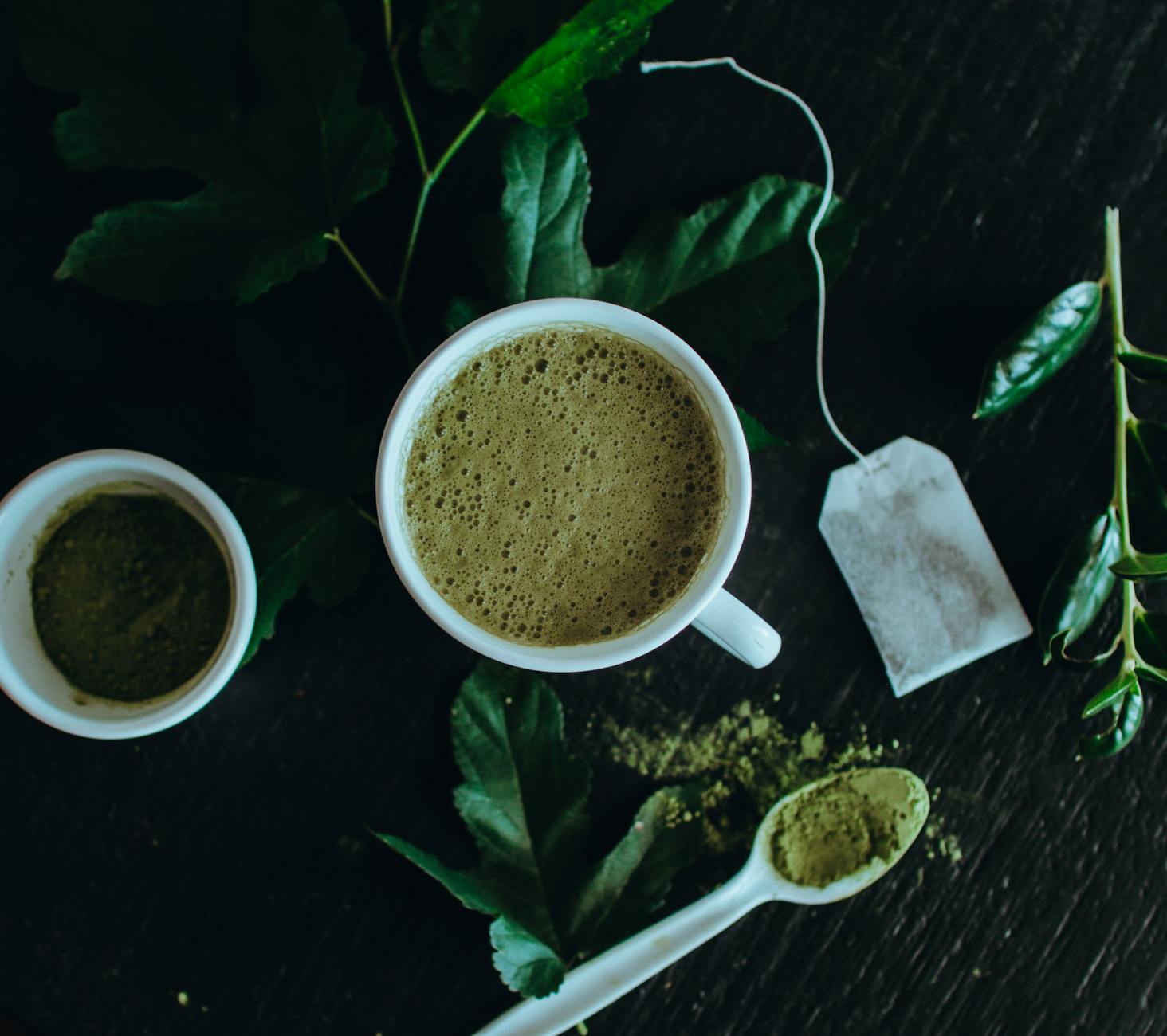
Best Matcha Powder for Lattes: 7 Picks Tested From Tokyo to Your Kitchen
There’s a moment I return to often. I’m sitting in a tiny café in Uji — the heartland of Japanese matcha production, just south of Kyoto — watching the owner whisk a bowl of ceremonial-grade matcha with the kind of focused calm that makes you want to slow everything down. The foam is impossibly green. The smell is grassy and sweet and a little oceanic. I ordered a matcha latte on a whim, and it changed how I thought about the drink entirely.
That was eight years ago. Since then, I’ve tested dozens of matcha powders — sourced from specialty tea shops in Ginza, department store basements in Osaka, and directly from farmers in Nishio — to find what actually works in a latte. Not all matcha is created equal, and the difference between a vibrant, creamy, well-balanced matcha latte and a dull, bitter, khaki-coloured disappointment comes down almost entirely to the powder you use.
Here are the best matcha powders for lattes available right now, whether you’re a total beginner or a seasoned home barista.
Quick Picks
| Product | Grade | Best For | Price (approx.) |
|---|---|---|---|
| Ippodo Kan | Ceremonial | Purists & daily drinkers | ~$28 / 30g |
| Encha Latte Grade | Latte-specific | Beginners & milk pairing | ~$20 / 60g |
| Marukyu Koyamaen Wako | Ceremonial | Premium flavour & colour | ~$38 / 20g |
| Jade Leaf Culinary Latte | Culinary/Latte | Budget-conscious drinkers | ~$16 / 100g |
| DoMatcha Organic | Ceremonial/Latte | Organic seekers | ~$24 / 30g |
| Aiya Cooking Grade | Culinary | High-volume home use | ~$18 / 100g |
| Naoki Matcha Superior | Ceremonial-blend | Everyday latte quality | ~$22 / 30g |
How We Selected These Matcha Powders
Selecting the best matcha powder for lattes isn’t just about sourcing the highest ceremonial grade — it’s about what actually performs well with milk. I evaluated each powder across five criteria:
- Colour — True ceremonial-grade matcha is a vivid, almost electric green. Olive or khaki tones signal lower quality or oxidation.
- Flavour profile with milk — Umami sweetness, a clean grassy finish, and no sharp bitterness.
- Dissolvability — No clumping, no gritty sediment in the bottom of the glass.
- Origin and processing transparency — Japanese-grown, stone-ground, clearly sourced.
- Value for money — Great matcha doesn’t have to be ruinously expensive, especially for daily lattes.
Every pick on this list has been personally prepared as a latte — hot and iced — in my Tokyo apartment kitchen.
Individual Reviews
Ippodo Kan — Best for Daily Ceremonial-Quality Lattes
Ippodo Tea has been operating in Kyoto since 1717. I’ve visited their flagship store on Teramachi Street more times than I can count — it’s one of those places that feels like a living piece of Japanese history. The Kan grade sits in their mid-ceremonial tier, and it’s the one I reach for almost every morning.
In a latte, Kan delivers a balanced sweetness that doesn’t disappear when milk is added — which is the real test. Cheaper matchas go flat and slightly bitter the moment dairy hits them. Kan stays green, nutty, and bright. It whisks beautifully and dissolves into warm milk without clumping, even without a frother.
Key Specs:
– Origin: Uji, Kyoto
– Grade: Ceremonial (mid-tier)
– Net weight: 30g (~$28 USD)
– Caffeine: Moderate-high
Pros:
– Exceptional, consistent flavour
– Brilliant green colour that photographs beautifully
– Clean finish with no bitterness
– Trusted heritage brand with full sourcing transparency
Cons:
– Pricier per gram than latte-specific blends
– 30g doesn’t last long if you make lattes daily
Best for: Anyone who wants authentic Japanese quality in a daily latte and doesn’t want to compromise on flavour.
Encha Latte Grade — Best for Beginners
Encha sources directly from a single farm in Uji and offers a “latte grade” specifically formulated to perform well with milk — a genius move for the home barista market. The flavour is intentionally slightly bolder and more robust than pure ceremonial grade, designed to cut through steamed milk without losing its character.
I’ve recommended Encha to numerous expat friends here in Tokyo who are just getting into matcha at home. It’s approachable, forgiving, and makes a genuinely good iced matcha latte with oat milk — arguably the most popular order at Tokyo’s trendier cafés right now.
Key Specs:
– Origin: Uji, Kyoto
– Grade: Latte-specific blend
– Net weight: 60g (~$20 USD)
– Certified Organic: Yes
Pros:
– Larger quantity at a reasonable price
– Specifically formulated for milk-based drinks
– Organic certified
– Bold enough flavour to shine through oat or almond milk
Cons:
– Slightly less nuanced than premium ceremonial grades
– Not the best for straight whisked matcha (usucha style)
Best for: Beginners, iced latte lovers, and anyone pairing matcha with non-dairy milks.
Marukyu Koyamaen Wako — Best for Premium Flavour and Colour
Marukyu Koyamaen is one of Japan’s most revered matcha producers, supplying tea schools and high-end ryokan across the country. Their Wako grade is extraordinary — the colour is a deep, jewel-like green that makes every latte look like something you’d pay $12 for in a Nakameguro café.
The flavour is complex: sweet, umami-forward, with a long finish that lingers pleasantly even after the milk. It’s a splurge, but if you’re someone who makes one considered latte a day as a ritual (something very much in the Japanese spirit), the cost per cup is actually quite reasonable.
Key Specs:
– Origin: Uji, Kyoto
– Grade: Ceremonial (premium tier)
– Net weight: 20g (~$38 USD)
– Stone-ground: Yes
Pros:
– Arguably the best colour and flavour of any powder on this list
– Outstanding umami depth — luxurious in milk
– Premium gift-worthy packaging
– Trusted by Japanese tea schools
Cons:
– Expensive, especially for daily use
– Smaller quantity requires careful storage
– May be overkill for newcomers still developing their palate
Best for: Matcha enthusiasts, gift-buyers, or anyone who wants the absolute best flavour in their latte.
Jade Leaf Culinary Latte Blend — Best Budget Option
Not everything needs to come directly from a century-old Kyoto tea house. Jade Leaf’s Culinary Latte Blend is an American-market product that sources from Japan and has quietly become one of the best-value options available for everyday lattes. At roughly $16 for 100g, the cost per latte is nearly unbeatable.
Flavour-wise, it’s noticeably less complex than Ippodo or Marukyu — there’s a slightly more vegetal, less sweet profile — but in a well-made latte with good-quality milk and a touch of honey or simple syrup, it’s genuinely enjoyable. For high-volume users or those just getting started, this is a smart entry point.
Key Specs:
– Origin: Japan (Uji-sourced)
– Grade: Culinary/Latte blend
– Net weight: 100g (~$16 USD)
– USDA Organic: Yes
Pros:
– Excellent value per gram
– Good vibrant colour for the price point
– Large quantity — ideal for daily use
– Widely available online
Cons:
– Less complex, less sweet flavour than ceremonial grades
– Can taste slightly vegetal without sweetener
– Not suitable for straight ceremonial preparation
Best for: Daily latte drinkers on a budget, smoothie-makers, or anyone who goes through matcha quickly.
DoMatcha Organic Ceremonial — Best for Organic Seekers
DoMatcha has built a solid reputation for sourcing certified organic matcha from Uji and making it accessible to health-conscious Western consumers. Their ceremonial grade holds up remarkably well in lattes — the colour is genuinely vivid, and the organic certification is third-party verified, which matters to a lot of buyers.
I find it slightly earthier than Ippodo’s offerings, with less of that refined sweetness, but it’s a clean, satisfying powder that makes a beautiful morning latte. It also tends to be more widely available in health food stores across the US and Australia than the Japanese specialty brands.
Key Specs:
– Origin: Uji, Kyoto
– Grade: Ceremonial
– Net weight: 30g (~$24 USD)
– USDA Organic + JAS Organic: Yes
Pros:
– Dual organic certification (USDA + Japanese Agricultural Standard)
– Good flavour and colour for the price
– Readily available in health food retailers
– Solid all-rounder
Cons:
– Slightly earthier, less refined than top-tier ceremonial options
– Packaging not resealable on all versions
Best for: Health-conscious buyers who prioritise organic certification and want ceremonial quality at a mid-range price.
Aiya Cooking Grade — Best for High-Volume Use
Aiya is one of Japan’s oldest matcha companies — founded in Nishio, Aichi Prefecture in 1888 — and their cooking grade is a go-to for high-volume preparation. I’ve seen Aiya tins behind the counter at matcha-focused cafés in Tokyo, which tells you something about its standing in the professional world.
As a latte powder, it’s serviceable rather than spectacular. The flavour is strong and slightly bitter, which means you’ll want to adjust your sweetener level upward. But the colour is decent, the powder is finely milled, and the quantity-to-price ratio makes it perfect for people who batch-prepare iced matcha lattes.
Key Specs:
– Origin: Nishio, Aichi Prefecture
– Grade: Culinary / Cooking
– Net weight: 100g (~$18 USD)
– Company founded: 1888
Pros:
– Excellent value for bulk use
– Finely milled, dissolves well
– Trusted Japanese heritage brand
– Good for batch matcha latte prep
Cons:
– Stronger bitterness — needs sweetener balancing
– Not ideal for sipping straight or nuanced flavour appreciation
– Less vibrant green than ceremonial grades
Best for: High-volume home users, those who batch-make iced lattes, or anyone wanting a trusted commercial-grade option.
Naoki Matcha Superior Grade — Best Everyday Latte Quality
Naoki Matcha has positioned itself cleverly in the market — bridging the gap between affordable culinary grades and expensive ceremonial tiers with what they call a “superior grade” specifically dialled in for lattes and everyday drinking. The sourcing is transparent, the flavour is reliably pleasant, and the green colour is vivid enough to make you feel like you’re doing something right.
In testing, this became the powder I kept returning to when I wanted something better than budget culinary but didn’t want to open my precious Marukyu tin. The sweetness is natural, the grassiness is clean rather than harsh, and it blends effortlessly into milk.
Key Specs:
– Origin: Uji, Kyoto
– Grade: Superior (between culinary and ceremonial)
– Net weight: 30g (~$22 USD)
– Stone-ground: Yes
Pros:
– Excellent middle-ground quality and price
– Sweet, clean flavour profile well-suited to milk
– Good colour and dissolvability
– Honest, transparent sourcing
Cons:
– Less established brand name than Ippodo or Aiya
– Slightly less flavour complexity than top ceremonial grades
Best for: Everyday latte drinkers who want quality above budget options without splashing out on ceremonial tier.
Buying Guide: How to Choose the Best Matcha Powder for Lattes
Grade Matters — But Not in the Way You Might Think
When people hear “ceremonial grade” they assume it’s always the best choice. In practice, pure ceremonial matcha is optimised for drinking straight with water — the delicate flavours can actually get lost in milk. For lattes specifically, look for:
- Ceremonial grade: Best flavour, worth it if you appreciate nuance and have a good palate
- Latte-grade / superior grade: Specifically blended for milk-based drinks — often the smartest choice
- Culinary grade: Fine for daily lattes if budget is a priority, especially with sweeteners
Colour Is Your Quality Indicator
Vibrant, true green = freshness and quality. Olive or yellowish green = oxidation or lower-grade leaves. Always check product photos critically, and if you can, smell before you buy — fresh matcha smells like spring rain and grass, not dust.
Storage Is Non-Negotiable
Even the best matcha degrades quickly once opened. Store your powder in an airtight container away from light and heat. In Japan, many serious matcha drinkers keep their opened tins in the fridge. I do the same. Use within 4–6 weeks of opening for best flavour.
Japanese Origin Matters
The term “matcha” is not legally protected outside Japan, meaning powdered green tea from China can be labelled matcha in Western markets. Always look for clearly stated Japanese origins — Uji (Kyoto), Nishio (Aichi), and Yame (Fukuoka) are the most respected regions.
How Much Powder Per Latte?
A standard matcha latte uses 1–2 teaspoons (2–4g) per serving. Higher ceremonial grades need less; culinary grades may need slightly more to achieve the same flavour intensity.
FAQ
Q: What is the difference between ceremonial and culinary matcha for lattes?
Ceremonial matcha is made from the youngest tea leaves, stone-ground to a fine powder with a naturally sweet, umami-rich flavour. Culinary grade uses slightly older leaves and has a more robust, bitter profile. For lattes, either can work — ceremonial delivers more nuance and colour, while culinary is more economical. Latte-specific blends (like Encha’s) sit in a practical middle ground.
Q: Can I use regular culinary matcha in a latte?
Yes, absolutely. High-quality culinary matcha makes a perfectly enjoyable latte, especially when sweetened with honey or simple syrup and paired with full-fat or oat milk. The flavour won’t be as refined as ceremonial grade, but the difference is less noticeable in a milk-based drink than in a straight whisked bowl.
Q: Why does my matcha latte taste bitter?
Bitterness usually comes from one of three things: low-grade powder, water that’s too hot (above 80°C/176°F kills the sweetness), or too much powder. Ceremonial-grade matcha should taste naturally sweet; if yours is persistently bitter, the powder quality is likely the issue. Also ensure you’re sifting the powder before whisking.
Q: How should I store opened matcha powder?
In an airtight, opaque container in the refrigerator. Matcha oxidises quickly when exposed to light, air, heat, and moisture. Let the container come to room temperature before opening each time to prevent condensation getting into the powder. Use within 4–6 weeks once opened.
Q: Is Japanese matcha better than Chinese matcha?
For lattes and drinking matcha specifically, yes — Japanese matcha is generally considered significantly superior. The cultivation method (shading the plants for 3–4 weeks before harvest to boost chlorophyll and L-theanine), stone-grinding process, and strict quality standards in Japan produce a noticeably more vibrant, sweeter, and smoother product than most Chinese-grown alternatives.
Conclusion
The best matcha powder for lattes is the one that fits your lifestyle, your budget, and your palate — but starting with Japanese-grown, clearly graded powder from a reputable source will always put you miles ahead of grabbing whatever green powder sits on the supermarket shelf.
If you want my personal recommendation? Keep Ippodo Kan for mornings when you want something genuinely special, and a solid culinary or latte-grade option like Encha or Jade Leaf for daily use without guilt. That’s exactly the setup on my kitchen counter right now, and it has been for years.
Matcha is one of those things that rewards curiosity. Once you’ve tasted the real thing — properly made, properly sourced — a mediocre matcha latte will never satisfy you again. That’s not a warning. That’s a promise.