Best Japanese Towel Brands Imabari: 7 Picks Worth Every Penny
There’s a moment that converts you. Mine happened at a ryokan outside Matsuyama — the city at the heart of Imabari towel country on Shikoku island. I’d just stepped out of a hinoki wood bath and reached for the hand towel hanging on the rack. The thing practically leapt at the water on my skin. Thick without being heavy, absorbent without being scratchy. I flipped it over and saw the small woven tag: Imabari. I bought four before I left.
Imabari has been producing premium cotton textiles since the late 1800s. The region’s soft water — drawn from the Hiji River — and decades of accumulated craft knowledge produce towels with a quality that’s genuinely, measurably different. That’s not marketing copy. It’s something you feel the first morning you use one.
Quick Picks
| Product | Best For | Price (USD) | Absorbency Rating |
|---|---|---|---|
| Kontex Moku Light Towel | Everyday use & travel | $18–$32 | ⭐⭐⭐⭐⭐ |
| Ikeuchi Organic 840 Bath Towel | Sensitive skin / eco-conscious | $55–$70 | ⭐⭐⭐⭐⭐ |
| Marushin Imabari Bath Towel | Budget-friendly quality | $22–$35 | ⭐⭐⭐⭐ |
| Hiorie Hotel Style Towel | Hotel-grade luxury at home | $30–$45 | ⭐⭐⭐⭐⭐ |
| Uchino Marshmallow Gauze Towel | Sensitive / baby skin | $28–$42 | ⭐⭐⭐⭐ |
| Oboro Imabari Face Towel | Face care & gifting | $20–$30 | ⭐⭐⭐⭐ |
| Today’s Towel by Imabari | Design-forward, gift sets | $35–$55 | ⭐⭐⭐⭐⭐ |
How We Selected These Brands
Every towel on this list carries the official Imabari Towel quality certification mark — the white and blue logo that guarantees the product was manufactured in the Imabari region and passed strict absorbency and durability tests. (Under the certification standard, a towel must absorb water within 10 seconds of contact — a test most imported “fluffy” towels quietly fail.)
Beyond certification, I weighted selections on: real-world absorbency after multiple washes, GSM (grams per square metre) for honest thickness comparisons, availability to overseas buyers, and value across price tiers. I’ve personally used or gifted several of these brands, and for others I consulted Japanese consumer review sites and spoke with staff at specialist linen shops in Tokyo and Matsuyama.
Kontex Moku Light Towel — Best for Everyday Use & Travel

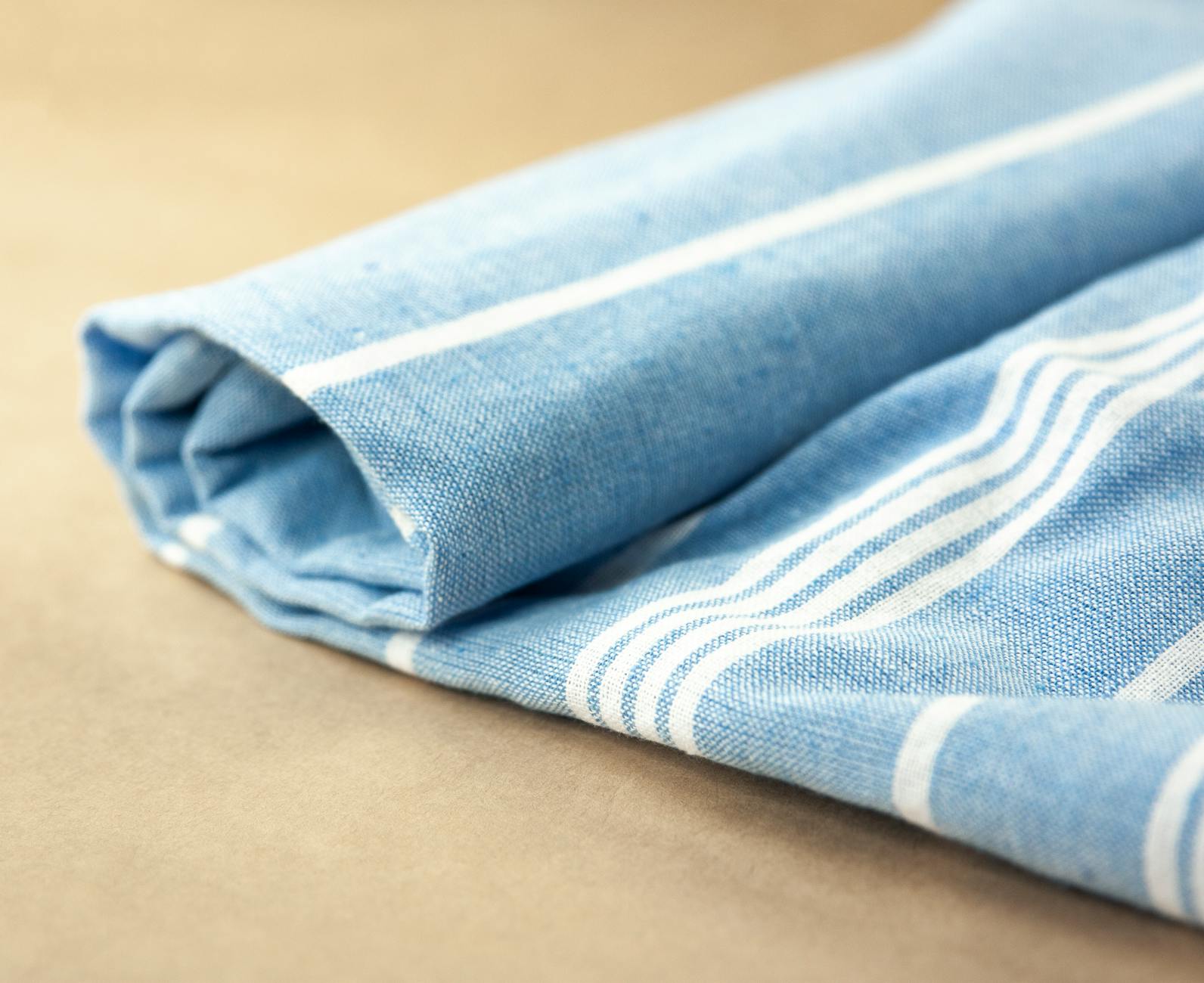
Kontex is one of Imabari’s most beloved mid-range manufacturers, and the Moku line is their breakout product for good reason. Unlike the thick, plush towels most Westerners picture, the Moku is a flat-weave, gauze-style towel that looks almost like a stylish tea towel — until you use it. It dries your skin in seconds, then air-dries itself in under 30 minutes. I keep one in every bag I travel with in Japan.
The weight — around 100–120 GSM — makes it ideal for humid Japanese summers where a traditional bath towel becomes a damp, mildew-prone burden. But it works year-round. The selvedge edges and solid-dye colors feel genuinely considered for a towel at this price.
Pros:
– Exceptionally fast-drying — practical in Japan’s humid climate
– Compact and lightweight, perfect for travel or gym
– Wide color range with consistent dye quality
– Gets softer and more absorbent after washing
Cons:
– Not the plush, cloud-like feel some buyers expect
– Thinner weight feels sparse to first-time users
| Spec | Detail |
|---|---|
| GSM | ~100–120 |
| Material | 100% Imabari cotton |
| Certification | Official Imabari Towel mark |
| Available sizes | Hand, face, bath |
| Price range | $18–$32 USD |
Best for: Anyone who wants a high-performance everyday towel that doubles as a travel essential.
Ikeuchi Organic 840 Bath Towel — Best for Sensitive Skin & Eco-Conscious Buyers
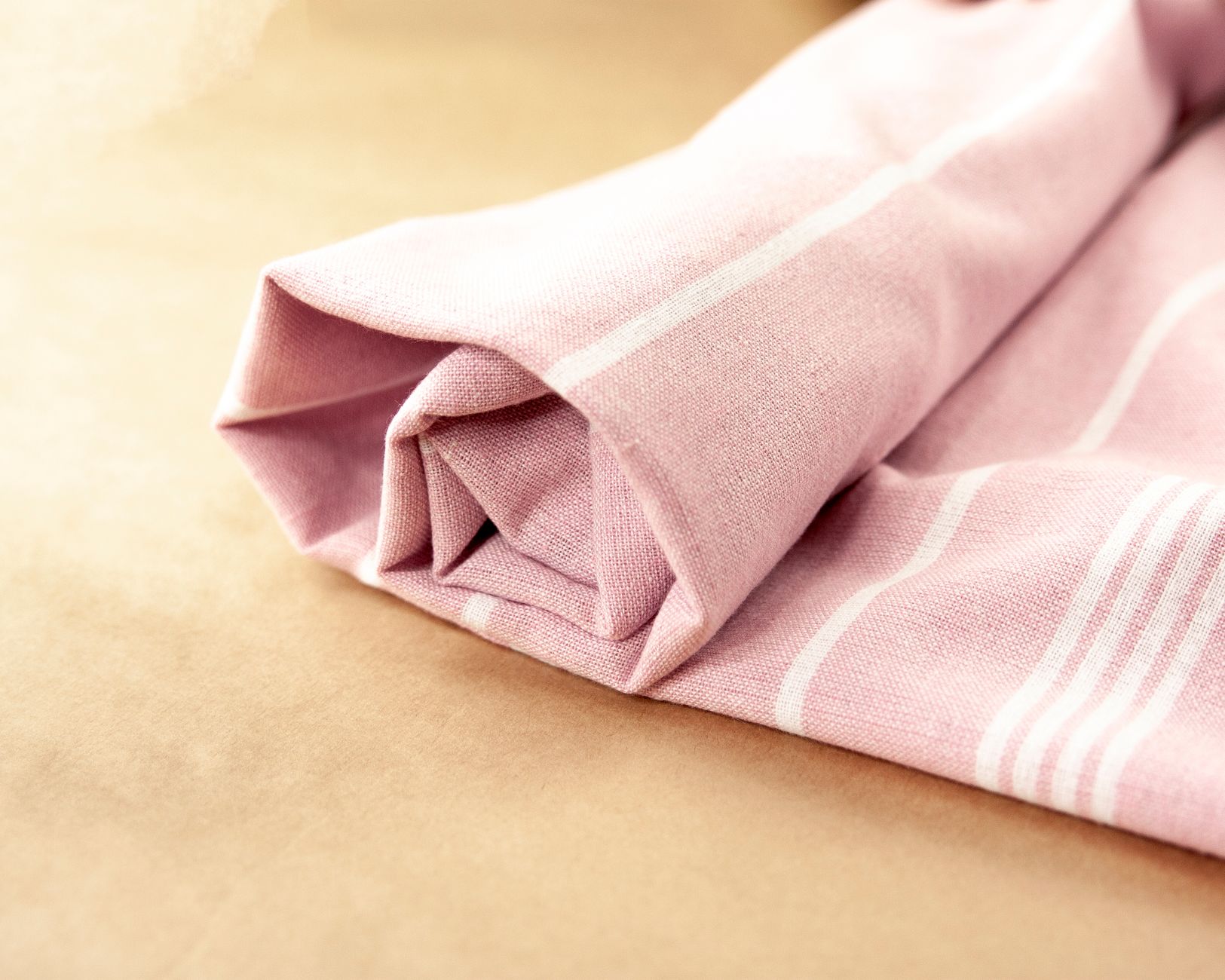
Ikeuchi Organic is the prestige tier of Imabari towel makers. Based in Imabari city itself, they produce towels using 100% organic cotton certified to GOTS standards, and their manufacturing process is powered significantly by renewable energy. The 840 refers to the GSM — 840 grams per square metre, making this one of the densest, most luxurious bath towels you can buy anywhere in the world.
I’ve given these as wedding gifts to Japanese friends and watched the reaction. There’s a visible pause when people pull it out of the box and feel the weight. It’s a proper sensory experience. Ikeuchi also operates a small flagship in Tokyo’s Nihonbashi district if you want to feel the full range in person.
Pros:
– GOTS-certified organic cotton, ideal for eczema-prone or baby skin
– Extraordinary density (840 GSM) — wraps like a blanket
– Ships internationally directly from Ikeuchi’s website
– Maintains quality exceptionally well over years of use
Cons:
– Premium price point ($55–$70 per bath towel)
– Takes longer to air-dry due to density — a tumble dryer helps
| Spec | Detail |
|---|---|
| GSM | 840 |
| Material | 100% GOTS organic cotton |
| Certification | Imabari + GOTS organic |
| Available sizes | Face, bath, bathrobe |
| Price range | $55–$70 USD |
Best for: Buyers with sensitive skin, parents shopping for babies, or anyone treating themselves to a genuine luxury upgrade.
Marushin Imabari Bath Towel — Best Budget Pick
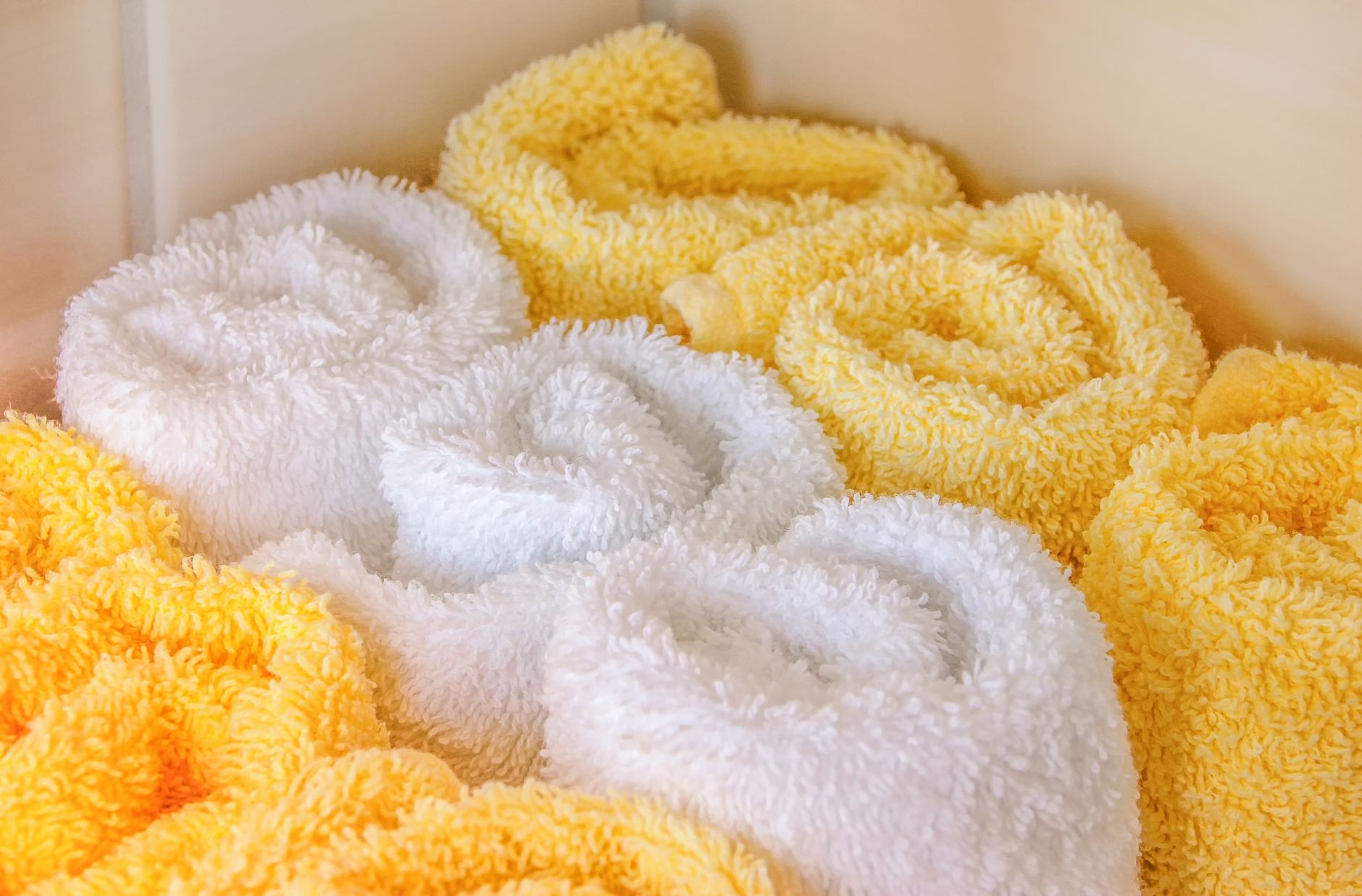
Not every Imabari towel needs to cost $60. Marushin proves that the certification standard enforces genuine quality even at accessible prices. Their core bath towel range sits between $22–$35 USD, making it the go-to recommendation when friends back in the UK ask me for a quality upgrade that doesn’t require a long explanation or a big spend.
The weave is a classic terry loop construction at around 400–450 GSM — solid, reliable, properly absorbent. The colors are classic rather than design-forward, which actually makes them easier to live with long-term. These are the workhorses of the Imabari world, and there’s real dignity in that.
Pros:
– Most affordable certified Imabari option on the market
– 400–450 GSM hits the sweet spot of thick without slow-drying
– Classic colorways that suit any bathroom
– Available in multi-packs for household value
Cons:
– Less brand prestige than Ikeuchi or Hiorie
– Fewer international stockists — some sourcing effort required
| Spec | Detail |
|---|---|
| GSM | ~400–450 |
| Material | 100% Imabari cotton |
| Certification | Official Imabari Towel mark |
| Available sizes | Hand, face, bath |
| Price range | $22–$35 USD |
Best for: First-time Imabari buyers, households looking to upgrade multiple towels at once without overspending.
Hiorie Hotel Style Towel — Best for Hotel-Grade Luxury at Home
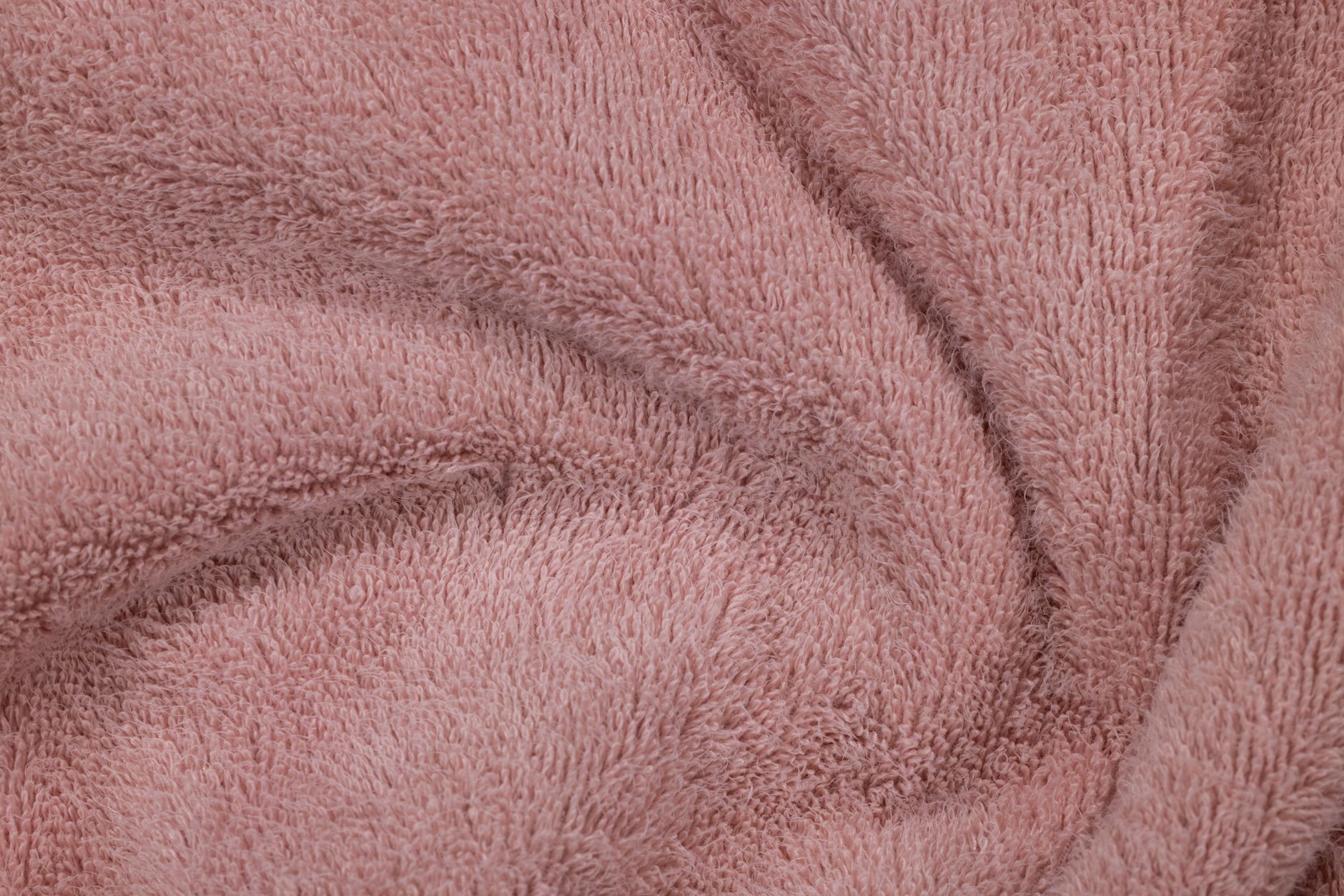
Hiorie supplies towels to some of Japan’s best hotels — including several properties in Tokyo and Kyoto — and their consumer line brings that same specification to your home bathroom. The Hotel Style range is constructed at around 550–600 GSM, woven with a fine loop structure that produces the dense, even surface you recognize from stepping into a quality Japanese hotel room.
I picked these up at a Loft department store in Shibuya a few years back after my partner complained our bathroom felt “not like Japan enough.” Reader, the complaint was resolved. The texture is consistently smooth wash after wash, and Hiorie’s quality control is exceptionally tight.
Pros:
– Replicates genuine Japanese hotel towel experience at home
– 550–600 GSM — substantial without being unwieldy
– Excellent color retention through repeated washing
– Reasonably available on international retail platforms
Cons:
– White and ivory dominate the range — limited color variety
– Mid-to-premium price requires some investment for a full set
| Spec | Detail |
|---|---|
| GSM | ~550–600 |
| Material | 100% Imabari long-staple cotton |
| Certification | Official Imabari Towel mark |
| Available sizes | Hand, face, bath, bath sheet |
| Price range | $30–$45 USD |
Best for: Anyone who wants their home bathroom to feel like a Tokyo hotel — guests included.
Uchino Marshmallow Gauze Towel — Best for Sensitive & Baby Skin
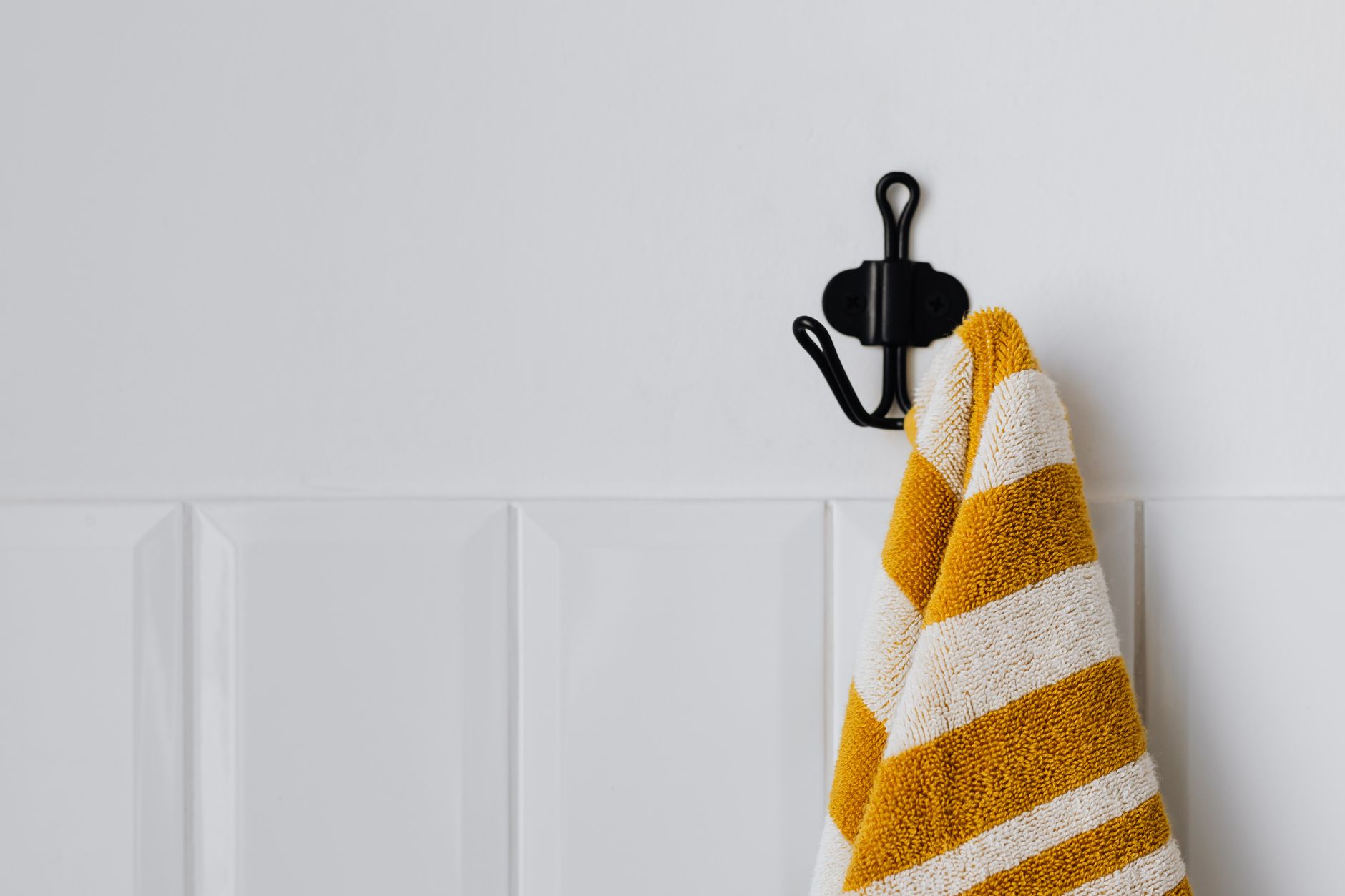
Uchino is one of Imabari’s oldest family manufacturers, and the Marshmallow Gauze line is their signature achievement. The construction layers a gauze weave over a standard terry base — the result is a towel with a surface so gentle it’s legitimately recommended by Japanese dermatologists for newborn skin. My sister bought three sets when she had her first child after I sent her a face towel as a gift.
The absorbency is impressive for such a light construction, and the gauze surface means it dries almost as fast as the Moku while feeling considerably softer. Available at major department stores in Japan including Isetan and Takashimaya, and increasingly easy to find internationally.
Pros:
– Gauze-over-terry construction is uniquely gentle on skin
– Dermatologist-recommended for sensitive and baby skin
– Fast-drying despite its softness
– Beautiful gifting presentation in original packaging
Cons:
– More delicate construction — not ideal for heavy-use households
– Slightly lower durability versus denser weave options
| Spec | Detail |
|---|---|
| GSM | ~200–250 |
| Material | 100% Imabari cotton gauze + terry |
| Certification | Official Imabari Towel mark |
| Available sizes | Hand, face, bath, baby |
| Price range | $28–$42 USD |
Best for: New parents, anyone with eczema or reactive skin, and shoppers looking for a beautifully packaged gift.
Oboro Imabari Face Towel — Best for Face Care & Premium Gifting
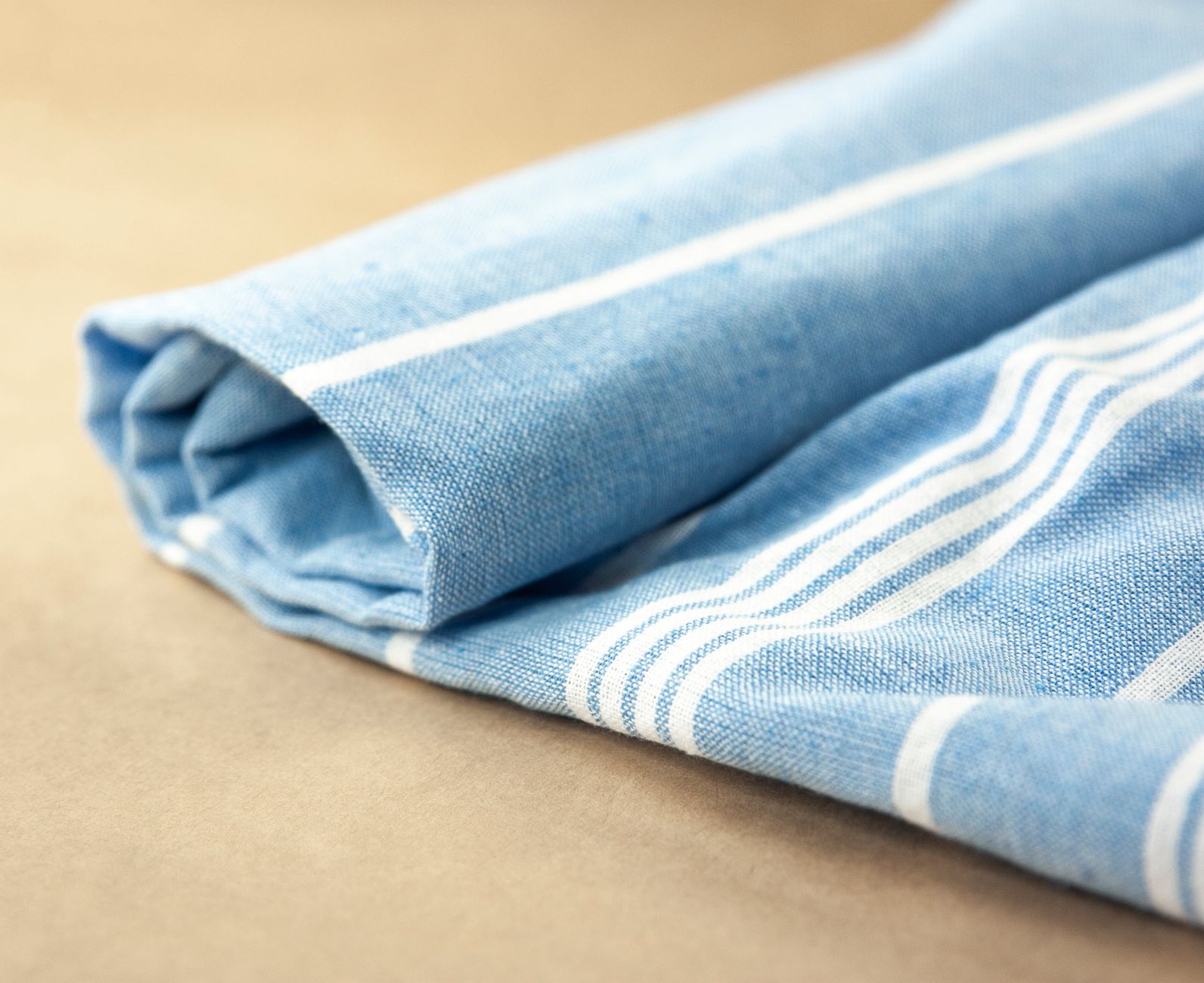
Oboro has carved a niche making face towels that take the Imabari certification and add a genuinely elevated design sensibility. These aren’t afterthoughts in a bath towel range — the face towel is the product, obsessively refined. The cotton used is extra-long staple, producing a surface that feels almost silk-adjacent against your face.
I discovered Oboro through a recommendation from a Tokyo beauty editor friend, who gives them as omiyage when she travels internationally. The packaging — washi paper, minimal ribbon, no excess — makes these the ideal gift for the person who already has everything. At $20–$30 for a face towel, they’re also one of the more accessible luxury options on the list.
Pros:
– Extra-long staple cotton creates a near-silky face surface
– Exceptional gift presentation, Japanese aesthetic packaging
– Compact price point for the quality delivered
– Ideal for skincare-conscious buyers
Cons:
– Face towel focus means limited bath size options
– Smaller brand with fewer stockists internationally
| Spec | Detail |
|---|---|
| GSM | ~350–400 |
| Material | Extra-long staple Imabari cotton |
| Certification | Official Imabari Towel mark |
| Available sizes | Face, hand |
| Price range | $20–$30 USD |
Best for: Skincare enthusiasts, gift buyers, and anyone who wants the very best in face towel quality.
Today’s Towel by Imabari — Best for Design-Forward Buyers & Gift Sets
Today’s Towel is the official consumer brand launched by the Imabari Towel Association — which means it’s about as authoritative as the category gets. The brand was created specifically to modernize the Imabari image for younger, design-conscious buyers, featuring collaborations with Japanese graphic designers and contemporary stripe patterns that look genuinely current on a bathroom shelf.
Quality is exactly what you’d expect from an association-backed brand: 500+ GSM, rigorous testing, and consistency across the range. The gift sets are particularly well curated — I’ve bought the hand towel and face towel duo at Tokyu Hands in Shinjuku more times than I can count for housewarming gifts.
Pros:
– Association-backed quality guarantee — the standard setter
– Contemporary design collaborations elevate the aesthetic
– Gift sets curated for easy gifting decisions
– Wide range of weights and sizes
Cons:
– Premium pricing, especially for full gift sets
– Some design-edition colorways sell out quickly
| Spec | Detail |
|---|---|
| GSM | ~480–550 |
| Material | 100% Imabari certified cotton |
| Certification | Official Imabari Towel Association mark |
| Available sizes | Hand, face, bath, gift sets |
| Price range | $35–$55 USD |
Best for: Design-focused buyers, gift shoppers, and anyone who wants the official standard-setter of the Imabari world.
Buying Guide: What to Look For in an Imabari Towel
Check for the Official Certification Mark
The most important thing. The official Imabari Towel mark — white and blue, featuring a water drop design — guarantees the product was manufactured in Ehime Prefecture and passed standardized absorbency testing. Without it, you’re buying a towel that may be inspired by Imabari, not an actual Imabari product.
Understand GSM for Your Use Case
- 100–200 GSM: Flat-weave / gauze style — fast-drying, travel-friendly
- 300–450 GSM: Balanced everyday towels — the sweet spot for most homes
- 500–840 GSM: Luxury / hotel-grade — maximum softness, slower drying time
Cotton Type Matters
Standard Imabari cotton is excellent. Look for extra-long staple (ELS) cotton designations for face towels where skin softness is paramount. GOTS organic certification (as with Ikeuchi) adds environmental and skin-safety assurance.
Factor in Wash Behavior
All quality Imabari towels improve with washing — the cotton loops open up and absorbency increases over the first 3–5 washes. Avoid fabric softener, which coats the fibers and reduces absorbency over time. This is standard Japanese bathroom wisdom.
Buying Internationally
For US, UK, and Australian buyers: Japan Centre (UK), Musubi Kiln, and each brand’s own international shipping option are reliable sources. Be wary of very cheap “Imabari-style” towels on general marketplaces without the certification mark visible.
FAQ
Q: What makes Imabari towels different from regular towels?
Imabari towels are produced in a specific region of Ehime Prefecture, Japan, using soft local water that enhances cotton fiber quality during dyeing and finishing. The official certification requires passing a 10-second water absorption test — a standard most commercial towels from other origins don’t meet. Combined with generations of weaving expertise, the result is genuinely superior absorbency and durability.
Q: Are Imabari towels worth the price for international buyers?
For mid-range picks like Kontex Moku ($18–$32) and Marushin ($22–$35), absolutely — they’re competitive with quality Western towels and outperform them in absorbency and longevity. The premium tier (Ikeuchi Organic, $55–$70) is worth it for sensitive skin households or as long-term investment pieces that last years with proper care.
Q: How do I care for my Imabari towel to keep it in best condition?
Machine wash in warm water, tumble dry on low or air-dry in sunlight. Do not use fabric softener — it reduces absorbency by coating cotton fibers. Shake the towel before drying to re-fluff the loops. Most Imabari towels reach peak softness and absorbency after the first five washes.
Q: Can I buy authentic Imabari towels without traveling to Japan?
Yes. Ikeuchi Organic ships internationally from their website. Today’s Towel, Kontex, and Hiorie are available through Japan-based international retailers like Musubi Kiln and Japan Objects Store. Always verify the certification mark is listed in the product description before purchasing.
Q: What’s the best Imabari towel to buy as a gift?
The Today’s Towel by Imabari gift set is the most effortless choice — well-packaged, recognized quality, beautiful design. For something more personal and skincare-oriented, the Oboro face towel in its washi packaging is exceptional. For a luxury statement gift, the Ikeuchi Organic 840 is in a category of its own.
Conclusion: My Honest Recommendation
If you’re buying your first Imabari towel, start with the Kontex Moku — it’s inexpensive enough to be a low-risk introduction and good enough to convert you permanently. If you’re ready to invest in a full bathroom upgrade, the Hiorie Hotel Style for bath towels paired with Oboro face towels is the combination I run in my own bathroom in Tokyo right now.
For gifting — whether for a wedding, a housewarming, or someone you want to genuinely impress — the Today’s Towel by Imabari gift set does the work for you. The packaging alone communicates the care behind the product.
Imabari towels are one of those Japanese craft traditions where the reputation is not overstated. After a decade of living here and drying off with the real thing, I can tell you: once you use one properly, every other towel feels like a downgrade. That ryokan outside Matsuyama ruined me in the best possible way.