Best Japanese Soy Sauce Brands: 7 Bottles Worth Buying in 2025
There’s a moment every cook has — the one where a single ingredient completely rewires their understanding of flavour. For me, it happened at a tiny ramen shop in Kyoto’s Nishiki Market. The chef ladled out a bowl of shoyu ramen and the aroma alone was enough to stop conversation. Later, when I tracked down the specific soy sauce he used (a small-batch koikuchi from a 300-year-old Kyoto brewery), I realised that not all soy sauce is created equal. The difference between supermarket soy sauce and a genuinely great Japanese shoyu is about as significant as the gap between instant coffee and a carefully pulled espresso shot.
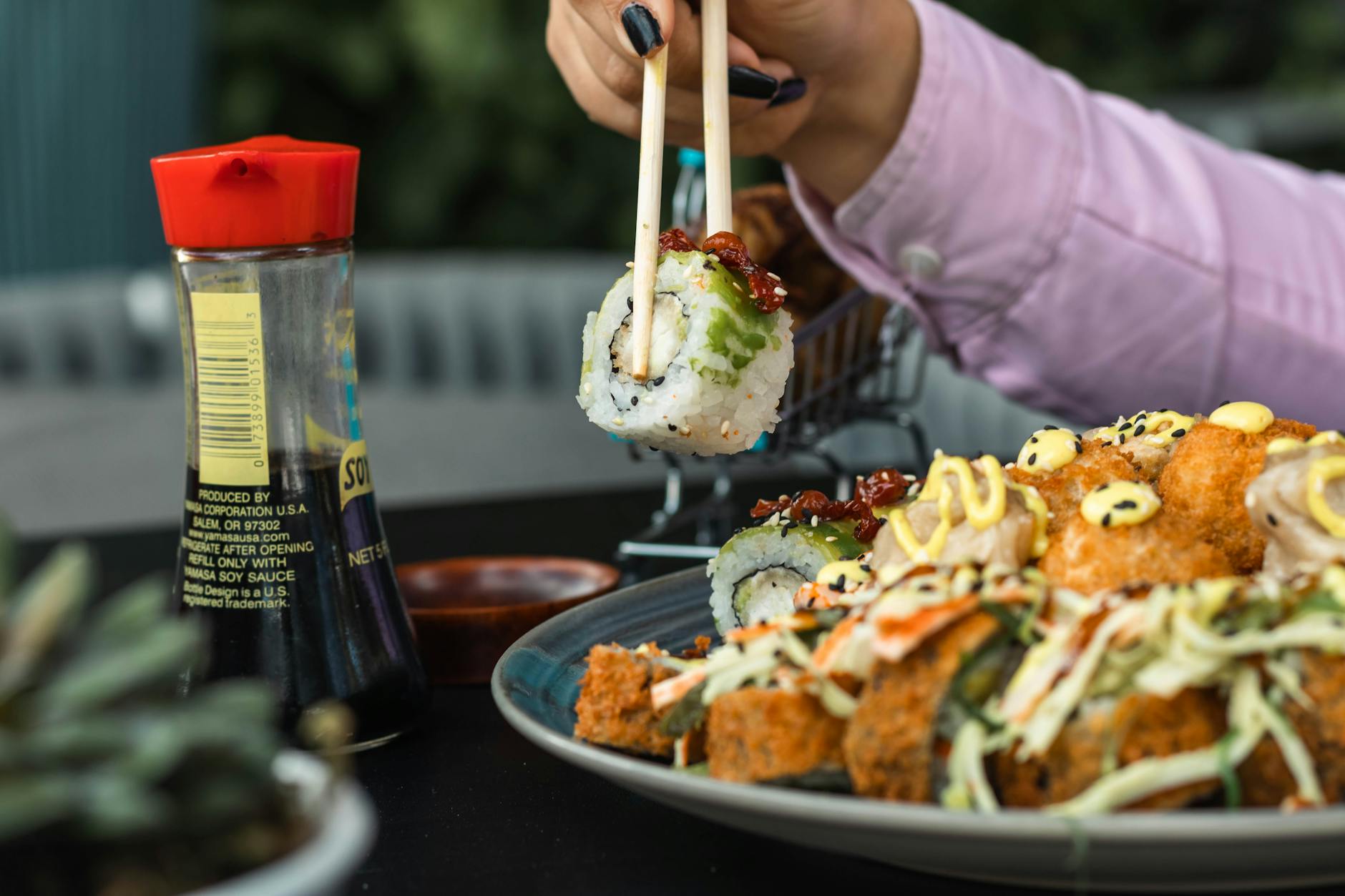
Here in Japan, soy sauce — shoyu — is treated with the same reverence that French cooks give to wine. There are regional varieties, vintage bottles, and artisan producers who age their sauce in 100-year-old cedar barrels. For US, UK, and Australian readers who want to cook Japanese food properly, or simply upgrade everyday cooking, the brands below represent the best bottles you can actually get your hands on.
Quick Picks
| Product | Type | Best For | Price (approx.) |
|---|---|---|---|
| Yamasa Soy Sauce | Koikuchi | Everyday cooking | ~$8 / 500ml |
| Kikkoman Marudaizu | Koikuchi (non-GMO) | Quality all-rounder | ~$12 / 500ml |
| Kishibori Shoyu | Koikuchi (artisan) | Dipping & finishing | ~$20 / 200ml |
| Higashimaru Usukuchi | Usukuchi | Light-coloured dishes | ~$10 / 500ml |
| Yamasa Tamari | Tamari | Gluten-free cooking | ~$11 / 500ml |
| Yamaroku Tsuru Bisiho | Artisan koikuchi | Premium gifting & finishing | ~$35 / 500ml |
| Yugeta Organic Shoyu | Organic koikuchi | Health-conscious cooks | ~$15 / 500ml |
How We Selected: Our Criteria
Living in Japan for over a decade means I’ve had unrestricted access to supermarket shelves, specialty food stores like Kaldi Coffee Farm, Tokyu Hands kitchen sections, and direct brewery visits. The bottles below were assessed on five criteria: flavour complexity (depth of umami, balance of salt and sweetness), aroma, ingredient quality (use of whole soybeans vs. defatted, non-GMO status), versatility across cooking applications, and availability for international buyers via Amazon US, Amazon UK, or major retailers. Price-to-quality ratio also weighed heavily — nobody wants to pay import prices for something mediocre.
Yamasa Soy Sauce — Best for Everyday Cooking

Yamasa has been brewing soy sauce since 1645 in Choshi, Chiba Prefecture — a coastal town where the climate and proximity to soy and wheat farming made it a natural hub for shoyu production. Walk into any Japanese household kitchen and you’ll find either Yamasa or Kikkoman. This is the workhorse soy sauce: deeply savoury, clean on the palate, and consistent across every bottle.
I keep a 1-litre bottle of this on my counter permanently. It’s the one I reach for when making tamagoyaki in the morning, splashing into a stir-fry, or seasoning dashi. The sodium level is well-balanced — salty but not one-dimensionally so — and the fermentation produces a satisfying, rounded umami without any harsh edges.
For international buyers, Yamasa is widely available and genuinely represents authentic Japanese flavour at an accessible price point. It’s brewed using traditional moromi fermentation and aged for around 1–2 years.
Pros:
– Consistent, clean koikuchi flavour
– Widely available internationally
– Exceptional value at ~$8/500ml
– Brewed in Japan using traditional methods
Cons:
– Standard glass bottle not resealable with a pump
– Less complex than artisan options
| Spec | Detail |
|---|---|
| Type | Koikuchi (dark soy sauce) |
| Volume | 500ml / 1L options |
| Sodium per tbsp | ~920mg |
| Fermentation | Naturally brewed, 1–2 years |
Best for: Home cooks who want a reliable, versatile Japanese soy sauce for daily use.
Kikkoman Marudaizu — Best Quality All-Rounder
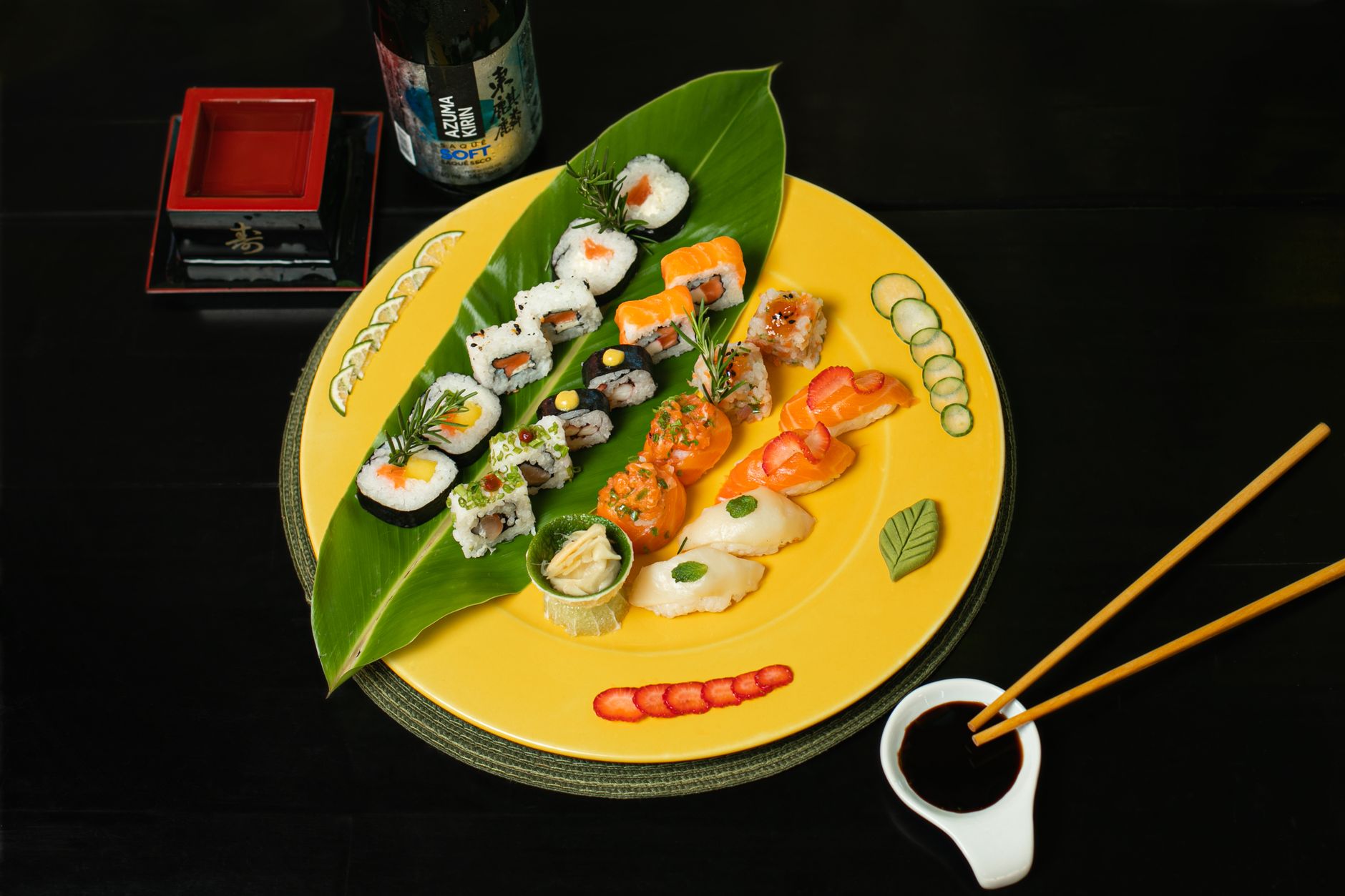
Most international buyers already know the red Kikkoman bottle. Marudaizu is Kikkoman’s premium line — and the difference is meaningful. “Marudaizu” means “whole soybean,” and this version is brewed using entire, non-defatted soybeans rather than the defatted soybean meal used in standard Kikkoman. The result is a notably richer, more rounded flavour with greater depth of umami and a longer, more complex finish.
I first noticed Marudaizu at an Aeon supermarket in Saitama where it sat on the shelf above regular Kikkoman with a modest price premium. A single side-by-side taste test at home with plain tofu — one of the best ways to evaluate soy sauce — made the difference immediately clear. The regular version tasted sharp and saline by comparison.
This is the bottle I’d recommend to someone making the jump from supermarket soy sauce to something genuinely Japanese in character. It works beautifully as both a cooking sauce and a dipping sauce.
Pros:
– Made with whole, non-GMO soybeans
– Richer and more complex than standard Kikkoman
– Recognisable brand with consistent quality control
– Available widely internationally
Cons:
– Slightly harder to find outside Japan than standard Kikkoman
– Premium price not always reflected at major retailers
| Spec | Detail |
|---|---|
| Type | Koikuchi |
| Volume | 500ml |
| Key Feature | Whole soybean (Marudaizu) |
| Non-GMO | Yes |
Best for: Cooks stepping up from standard soy sauce who want a reliable premium option.
Kishibori Shoyu — Best for Dipping and Finishing

Kishibori Shoyu is the bottle you bring out when you want to impress someone. Brewed on Shodoshima Island — which sits in the Seto Inland Sea and has been producing soy sauce for over 400 years — this small-batch koikuchi is aged for one full year in 100-year-old cedar barrels. The process is labour-intensive and the production volume deliberately small.
The aroma alone is extraordinary: warm, almost wine-like, with subtle cedar notes from the barrel. On the palate, it’s less intensely salty than standard soy sauce and considerably more complex, with a gentle sweetness and long umami finish. It’s the kind of soy sauce that makes plain sashimi sing without overpowering the fish.
I bought my first bottle at a specialty food store in Osaka’s Shinsaibashi district, and it’s since become my go-to gift for foodie friends visiting from overseas. At around $20 for 200ml, it’s a treat — but not frivolous.
Pros:
– Aged in 100-year-old cedar barrels on Shodoshima Island
– Complex, wine-like flavour ideal for finishing and dipping
– Beautiful bottle makes an excellent gift
– Less salty than standard soy sauce
Cons:
– Expensive at ~$20 for 200ml
– Not ideal as a high-heat cooking sauce
| Spec | Detail |
|---|---|
| Type | Artisan Koikuchi |
| Volume | 200ml |
| Aging | 1 year, cedar barrels |
| Origin | Shodoshima Island, Kagawa |
Best for: Anyone who wants a premium dipping sauce for sashimi, sushi, or as a finishing drizzle.
Higashimaru Usukuchi — Best Light Soy Sauce
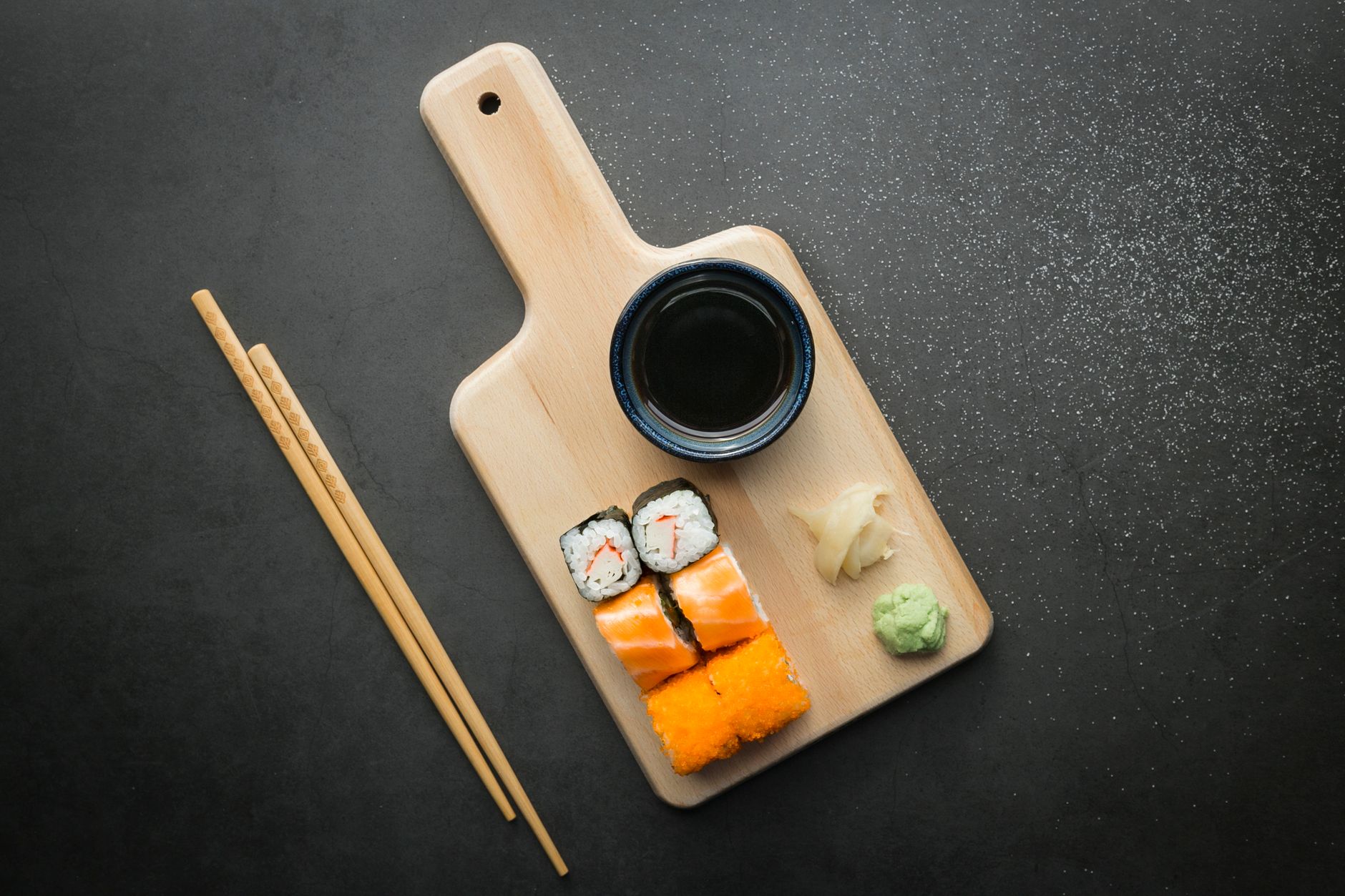
If you’ve ever cooked Japanese cuisine beyond the basics, you’ll know that many recipes — particularly from the Kansai region — call for usukuchi (light-coloured) soy sauce rather than the dark standard. Higashimaru, based in Tatsuno city in Hyogo Prefecture (the undisputed capital of usukuchi production), makes the definitive bottle in this style.
Usukuchi is lighter in colour but counterintuitively higher in sodium than koikuchi — the purpose is flavour seasoning without darkening a dish. It’s essential for chawanmushi (savoury egg custard), clear soups, and light-coloured simmered dishes. I use it whenever a recipe’s visual presentation matters as much as the flavour.
Tatsuno is actually a fascinating small city to visit — the old sake and soy sauce breweries line the historic quarter and the whole place smells of fermenting grains in the best possible way.
Pros:
– The gold standard of usukuchi soy sauce
– Preserves colour of delicate dishes
– Clean, elegant flavour profile
– Authentic Tatsuno provenance
Cons:
– Higher sodium than dark soy sauce — use in moderation
– Niche enough that it requires specialist ordering overseas
| Spec | Detail |
|---|---|
| Type | Usukuchi (light soy sauce) |
| Volume | 500ml |
| Sodium | Higher than koikuchi |
| Origin | Tatsuno, Hyogo Prefecture |
Best for: Cooks making traditional Japanese recipes that require light-coloured seasoning.
Yamasa Tamari — Best Gluten-Free Option
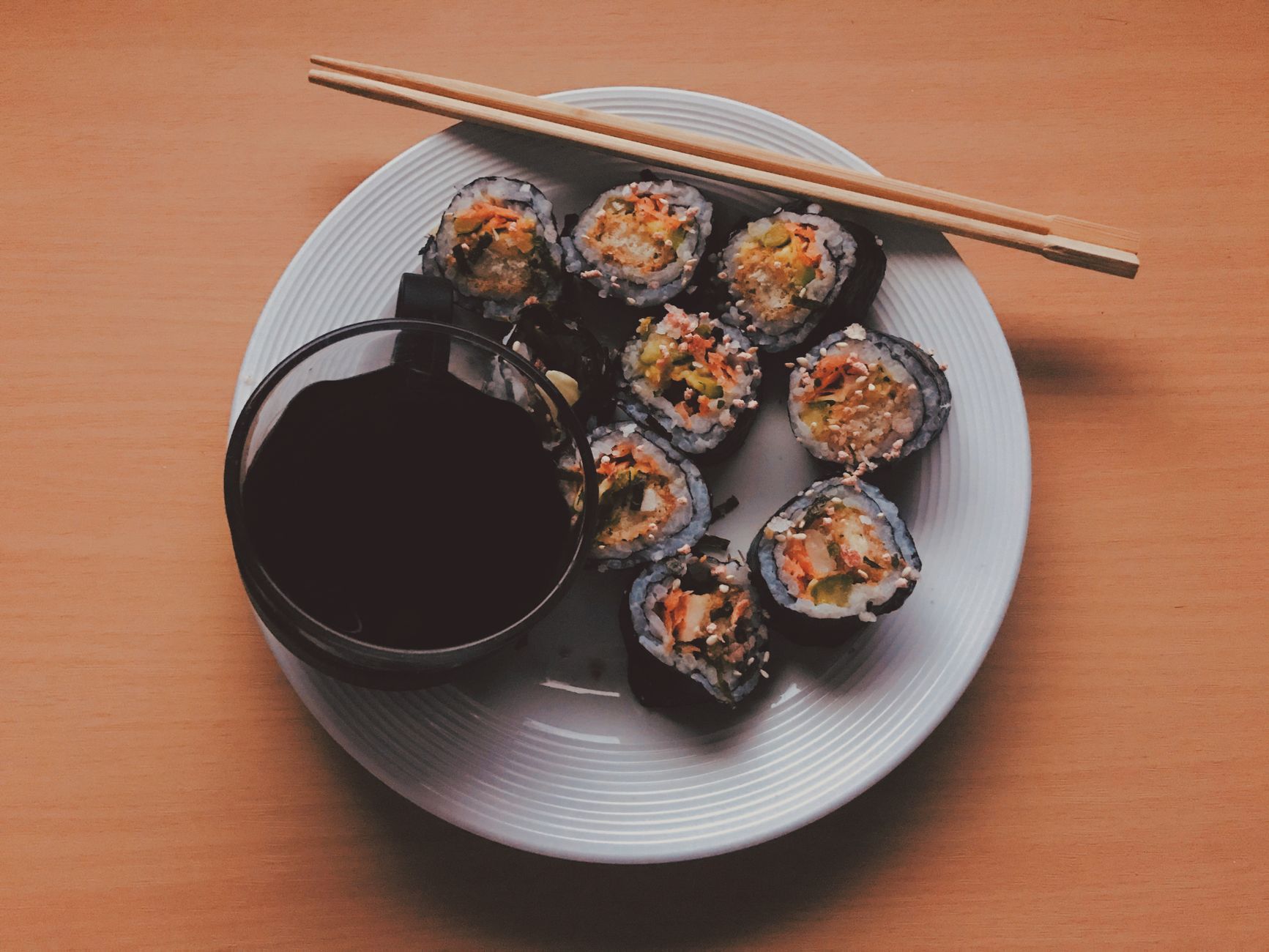
Tamari is the oldest form of Japanese soy sauce, originating as a byproduct of miso production. Unlike standard koikuchi, it’s made with little to no wheat — making it naturally gluten-free (always verify the label for trace wheat content). The flavour is thicker, darker, and significantly more intense than standard shoyu — almost syrup-like in viscosity, with a deep, rich umami that coats the palate.
Yamasa’s tamari is one of the most consistently available options internationally and reliably delivers the authentic Japanese tamari experience. I use it primarily for glazing — it caramelises beautifully on grilled chicken or beef, and a small amount goes a long way in teriyaki sauce. It also makes an exceptional dipping sauce for gyoza.
For readers with coeliac disease or gluten sensitivity, tamari is the authentic Japanese route — don’t settle for labelled “gluten-free” versions of regular soy sauce that sacrifice flavour.
Pros:
– Naturally gluten-free (wheat-free recipe)
– Rich, thick texture ideal for glazing and marinades
– Intense umami concentration
– Versatile across cuisines
Cons:
– Too intense for delicate dishes
– Smaller bottle sizes relative to price
| Spec | Detail |
|---|---|
| Type | Tamari |
| Gluten | Wheat-free |
| Volume | 500ml |
| Best Use | Glazing, dipping, marinades |
Best for: Gluten-free cooks or anyone wanting a thick, intensely savoury soy sauce for grilling and glazing.
Yamaroku Tsuru Bisiho — Best Premium Artisan Soy Sauce
Yamaroku Brewery on Shodoshima Island is something of a legend among Japanese food enthusiasts. Their Tsuru Bisiho (meaning “crane and tortoise,” symbols of longevity) is aged for four years in antique cedar kioke barrels — some over a century old. The result is extraordinary: deeply complex, with layers of caramel, dried fruit, and profound savoury depth that unfolds in waves.
This is soy sauce as fine dining ingredient. It’s the bottle that converts sceptics. I brought a 100ml bottle back for a chef friend in London and he called me within a week asking where to order more. At around $35 for 500ml, it’s a meaningful investment — but as a finishing sauce or gift, it’s unparalleled.
The brewery itself is worth visiting if you ever travel to Shikoku. The cedar barrels are alive with natural microflora that can’t be replicated industrially, and the owner, Yasuo Yamamoto, has been on a mission to preserve traditional kioke barrel fermentation across Japan.
Pros:
– 4-year barrel aging in antique cedar kioke
– Extraordinary flavour complexity — a genuine luxury ingredient
– Supports traditional artisan brewing preservation
– Makes an exceptional gourmet gift
Cons:
– Expensive at ~$35/500ml
– Too premium to use as an everyday cooking sauce
– Availability can be inconsistent
| Spec | Detail |
|---|---|
| Type | Premium Artisan Koikuchi |
| Aging | 4 years, cedar kioke barrels |
| Volume | 500ml |
| Origin | Shodoshima Island, Kagawa |
Best for: Serious food lovers, chefs, or anyone wanting the finest finishing soy sauce available.
Yugeta Organic Shoyu — Best for Health-Conscious Cooks
Yugeta Shoyu has been brewing in Saitama Prefecture since 1923, and their organic koikuchi is one of the few genuinely certified organic soy sauces available from a Japanese producer. It uses domestically sourced Japanese soybeans and wheat, both organically grown — a significant distinction in Japan where domestic organic certification is rigorous.
The flavour is clean and bright with good umami depth and a slightly more delicate character than the major commercial brands. It doesn’t have the sheer complexity of an aged artisan sauce, but it’s a well-made, honest product that you can feel good about using every day. It’s also naturally brewed — no additives, no alcohol preservatives.
For Australian buyers in particular, where organic certification matters enormously to many consumers, this is the bottle worth seeking out.
Pros:
– Certified organic, Japanese-grown ingredients
– Clean, honest flavour without additives
– Naturally brewed, no preservatives
– Good everyday versatility
Cons:
– Less complex than aged artisan options
– Premium pricing for everyday sauce category
| Spec | Detail |
|---|---|
| Type | Organic Koikuchi |
| Certification | JAS Organic |
| Volume | 500ml |
| Origin | Saitama Prefecture |
Best for: Health-conscious home cooks who want an authentic Japanese soy sauce with certified organic ingredients.
Buying Guide: What to Look for in Japanese Soy Sauce
Navigating Japanese soy sauce labels can be intimidating. Here’s what matters most:
Type: Koikuchi (dark, all-purpose) covers roughly 80% of use cases. Usukuchi (light) is for delicate dishes. Tamari is for gluten-free needs and bold glazing. Shiro (white) soy sauce is for extremely delicate flavour preservation.
Brewing Method: Look for “naturally brewed” or hon jozo on the label. Avoid products that use hydrolysed soy protein (chemically produced) rather than fermentation — these taste flat and harsh by comparison.
Whole vs. Defatted Soybeans: Whole soybean (marudaizu) versions deliver noticeably richer, more complex flavour. Worth the extra dollar or two.
Sodium Content: Standard soy sauce is high in sodium. If managing intake, look for reduced-sodium versions (gen-en in Japanese), but be aware these sometimes use additives to compensate for flavour loss.
Origin: Bottles brewed in Japan will almost always outperform versions licensed for local brewing elsewhere. Check the label for “Brewed in Japan.”
Packaging: Dark glass bottles protect from light degradation. Once opened, store in the refrigerator for best flavour.
Frequently Asked Questions
What is the difference between Japanese soy sauce and Chinese soy sauce?
Japanese soy sauce (shoyu) is typically made with roughly equal parts soybeans and wheat, producing a lighter, more nuanced flavour with a characteristic wine-like aroma. Chinese soy sauce uses a higher proportion of soybeans and is generally darker and more intensely savoury. They’re not interchangeable in recipes without some flavour adjustment.
Is Kikkoman actually Japanese?
Yes — Kikkoman was founded in Noda, Chiba Prefecture, in 1917. The standard dark bottle sold internationally is brewed in multiple countries including the Netherlands and the US. For the most authentic flavour, look for bottles labelled “Brewed in Japan” or opt for Kikkoman’s Japanese-exclusive premium lines like Marudaizu.
How long does soy sauce last once opened?
Commercially produced soy sauce kept in a cool, dark place will remain usable for up to a year after opening, though flavour begins to diminish after a few months. Artisan soy sauces — particularly those without preservatives — are best refrigerated and used within 3–6 months of opening for peak flavour.
Can I use Japanese soy sauce for non-Japanese cooking?
Absolutely. Japanese soy sauce is one of the most versatile condiments in any kitchen. It adds umami depth to pasta sauces, meat braises, scrambled eggs, and salad dressings. Nigella Lawson famously uses it in chocolate cake. Once you have a good bottle on hand, you’ll find uses for it everywhere.
What’s the best soy sauce for sushi and sashimi?
For dipping raw fish, you want something with less raw salinity and more complexity — artisan options like Kishibori Shoyu or Yamaroku Tsuru Bisiho excel here. The refined flavour complements rather than overwhelms delicate fish. Standard koikuchi works fine, but the upgrade is genuinely noticeable.
Conclusion: My Personal Pick
If I could only keep one bottle on my counter, it would be Yamasa for daily cooking and Kishibori Shoyu reserved for the moments that deserve better. That pairing covers 95% of everything a home cook needs from soy sauce.
But if you’re buying one bottle to make a statement — to taste what all the fuss is really about — get a bottle of Yamaroku Tsuru Bisiho. Pour a small amount into a white ceramic dish, dip a piece of plain tofu in it, and taste slowly. You’ll understand immediately why Japanese artisan food producers are held in such reverence worldwide, and why, after more than ten years living here, I’m still discovering bottles that make me rethink what I thought I knew about a single ingredient.
Buy authentically, buy Japanese, and cook with generosity.