Best Japanese Curry Roux Brands: 7 Tried-and-Tested Picks From Someone Who Actually Lives Here
There’s a particular kind of comfort that comes from a bowl of Japanese curry — thick, glossy, deeply spiced but never aggressive, ladled over a mound of short-grain rice. It’s one of Japan’s most beloved weeknight meals, and the secret weapon behind most home-cooked versions is a humble block of curry roux. Walk into any Japanese supermarket — a Seiyu, a Maruetsu, an Ito-Yokado — and you’ll find an entire dedicated shelf, sometimes two, stacked floor-to-ceiling with curry roux options. For outsiders, it can feel overwhelming. For those of us who’ve spent years cooking with these blocks, it becomes second nature.
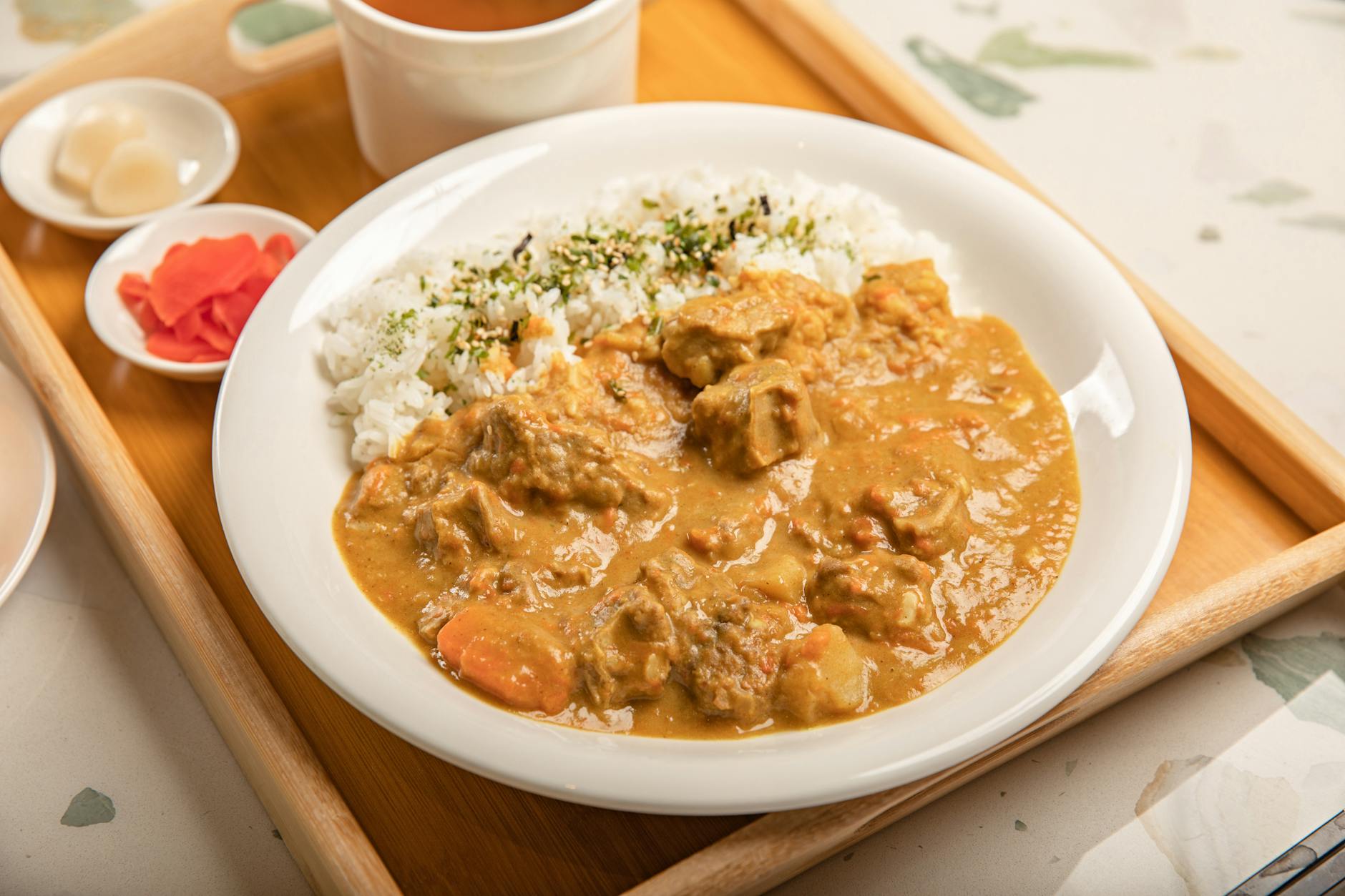
After more than a decade of cooking Japanese curry in my Tokyo apartment, testing roux brands across the heat spectrum, and eating my way through restaurant versions from Osaka to Sapporo, I’ve developed strong opinions about which brands are worth your money — especially when ordering from overseas.
Quick Picks
| Brand | Best For | Heat Level | Price (Approx.) |
|---|---|---|---|
| S&B Golden Curry | All-round best | Mild–Hot | ~$4–$6 |
| House Vermont Curry | Families & beginners | Mild–Medium | ~$4–$6 |
| House Java Curry | Deeper, richer flavor | Medium–Hot | ~$4–$6 |
| S&B Kokumaro | Silky texture lovers | Mild–Hot | ~$5–$7 |
| Torokeru (Melty) Curry | Creamy, mild weeknights | Mild–Medium | ~$4–$6 |
| Maste Curry | Gourmet upgrade | Medium | ~$8–$12 |
| S&B Dinner Curry | Restaurant-style depth | Medium–Hot | ~$7–$10 |
How We Selected Our Criteria
Every brand in this list was purchased and cooked at home in Japan — no PR samples, no sponsored picks. I evaluated each roux on five factors: flavor depth (does it taste like more than just salt and starch?), texture (does it emulsify cleanly into a glossy sauce?), heat accuracy (does “medium” actually mean medium?), ingredient quality (real spices vs. artificial flavor enhancers), and availability (can you realistically buy it outside Japan?). I also factored in how each roux performs with common add-ins like apple, honey, chocolate, and coconut milk — standard Japanese curry customization tricks that reveal a lot about a roux’s underlying character.
S&B Golden Curry — Best All-Round Japanese Curry Roux

If you’ve eaten Japanese curry at a friend’s place in Tokyo, there’s a reasonable chance it was made with Golden Curry. S&B is Japan’s oldest spice company, founded in 1923, and Golden Curry is their flagship product — and for good reason. The flavor profile is well-balanced: warm turmeric and cumin up front, a gentle garam masala finish, with just enough sweetness to make it approachable without being cloying.
What sets Golden Curry apart is its consistency. Whether you’re making a quick 30-minute weeknight curry or a long-simmered weekend batch, it behaves predictably. The roux dissolves cleanly, doesn’t clump, and produces that characteristic thick, velvety sauce that coats the rice properly.
It comes in four heat levels — Mild, Medium Hot, Hot, and Extra Hot. I’d push most adults straight to Medium Hot; the Mild can tip toward sweet.
Pros:
– Consistently excellent texture and body
– Four heat levels with genuine heat differentiation
– Widely available internationally (Amazon, Asian grocery stores)
– Excellent base for customization (great with honey or dark chocolate added)
Cons:
– Hot and Extra Hot levels can taste slightly sharp rather than complex
– MSG is present (a dealbreaker for some)
| Detail | Spec |
|---|---|
| Net Weight | 198g (makes ~8 servings) |
| Heat Levels Available | Mild, Medium Hot, Hot, Extra Hot |
| Key Spices | Turmeric, cumin, coriander, garam masala |
| Gluten | Yes |
Best for: Anyone who wants a reliable, authentic Japanese curry experience without any learning curve.
House Vermont Curry — Best for Families and Beginners
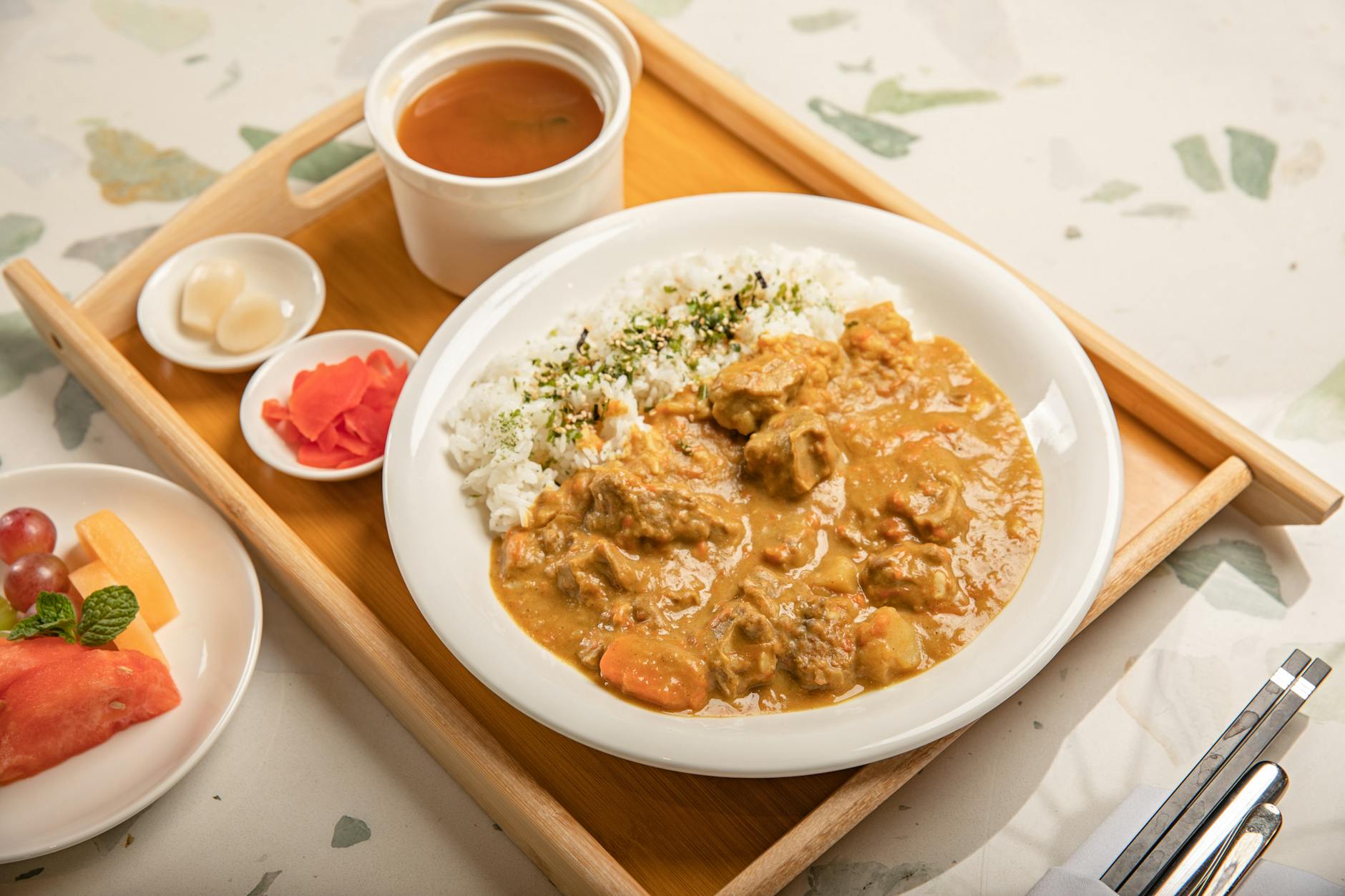
Vermont Curry gets its unusual name from the American state’s association with apple and honey — and yes, both are genuinely in the recipe. This is the curry my Japanese friends grew up eating as children, and it shows. The flavor is noticeably sweeter and milder than competitors, with a rounded, almost fruity finish that makes it enormously kid-friendly.
I used to overlook Vermont for being “too mild,” but after making it properly — with a good chicken thigh base, caramelized onions, and a splash of whole milk stirred in at the end — I completely revised my opinion. The apple-honey sweetness becomes sophisticated when properly cooked, acting as a counterpoint to the savory meat stock.
Pros:
– Genuinely beginner-proof — difficult to mess up
– The apple-honey flavor is subtle and pleasant, not artificial
– Available in Mild and Medium
– Extremely popular and easy to source internationally
Cons:
– Won’t satisfy heat seekers
– Slightly less complex spice profile than S&B equivalents
| Detail | Spec |
|---|---|
| Net Weight | 230g (makes ~12 servings) |
| Heat Levels Available | Mild, Medium |
| Key Additions | Apple purée, honey |
| Gluten | Yes |
Best for: Households cooking for children or spice-sensitive adults who still want an authentic Japanese curry experience.
House Java Curry — Best for Deeper, Bolder Flavor
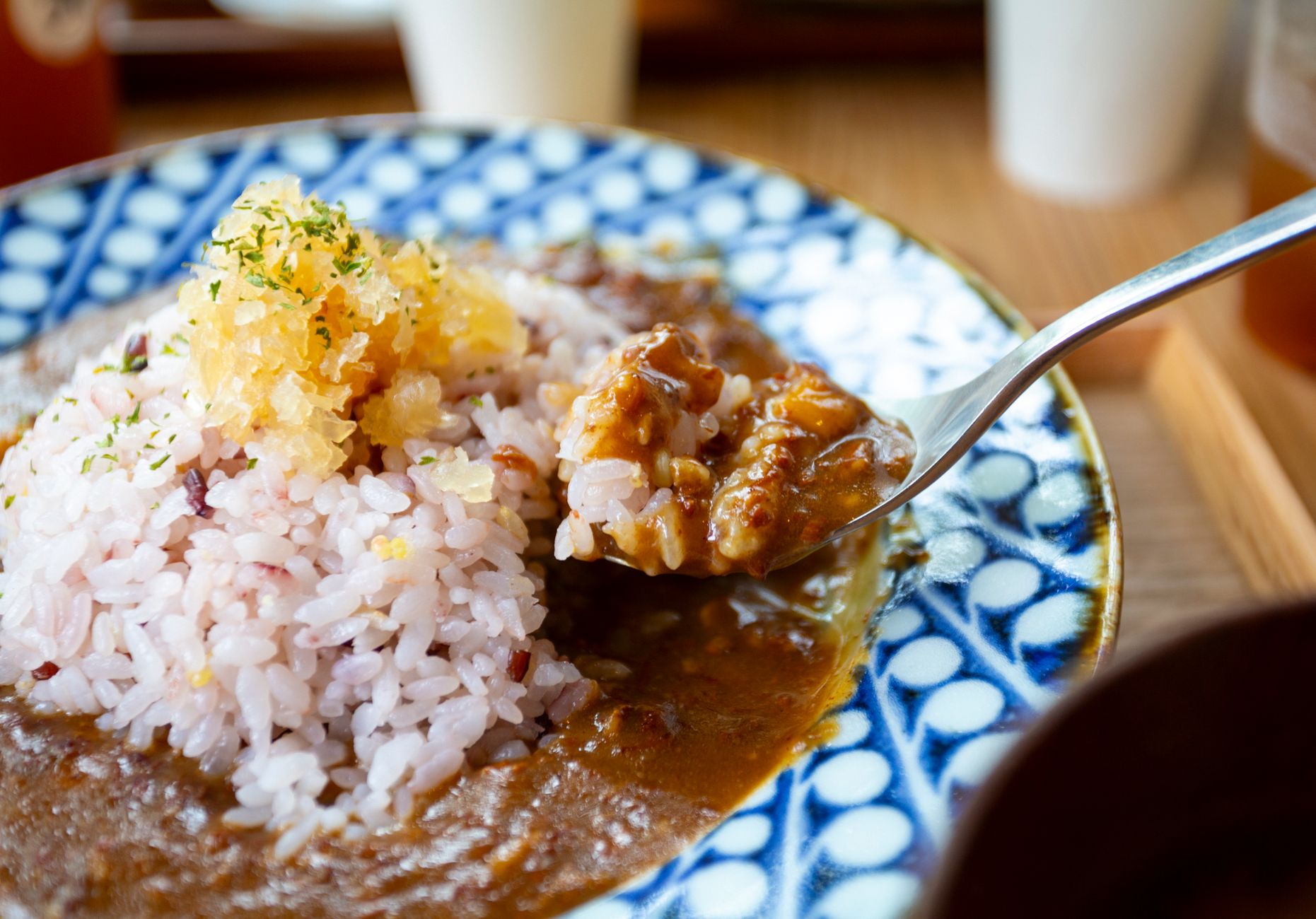
Java Curry is House Foods’ answer to the grown-up curry market, and it delivers. Named after the Indonesian island — a historic spice-trade hub — it leans into a darker, more roasted flavor profile than Vermont. There’s a noticeable bitterness in the best sense: like dark chocolate versus milk chocolate.
This is my personal go-to when I want something more serious. I often combine it 50/50 with Vermont Curry (a common Japanese home-cook trick called kakegake, or blending roux blocks), which creates extraordinary complexity without too much heat.
Pros:
– Noticeably richer, more complex spice base
– Pairs beautifully with beef and root vegetables
– Available in Medium and Hot
– Excellent when blended with milder roux blocks
Cons:
– Can taste slightly flat if undercooked (needs a proper 20-minute simmer)
– Less forgiving than Vermont for beginners
| Detail | Spec |
|---|---|
| Net Weight | 185g (makes ~10 servings) |
| Heat Levels Available | Medium, Hot |
| Key Flavor Notes | Roasted spices, slight bitterness, full-bodied |
| Gluten | Yes |
Best for: Home cooks who find standard Japanese curry too sweet and want something closer to a South Asian flavor profile.
S&B Kokumaro Curry — Best for Silky, Restaurant-Style Texture

Kokumaro translates roughly to “rich roundness,” and that’s the most honest product name in the Japanese curry aisle. S&B developed this roux specifically for a creamier, smoother mouthfeel — and they’ve achieved it. The texture is noticeably silkier than Golden Curry, with a lower-starch feel that’s closer to what you’d get at a dedicated Japanese curry restaurant like CoCo Ichibanya.
The secret is a higher proportion of cream and dairy-adjacent ingredients in the blend. It’s not as bold on the spice front — Kokumaro is designed for comfort over intensity — but the overall eating experience is exceptionally pleasant.
Pros:
– Best-in-class silky texture among boxed roux brands
– Mild through Hot options with good heat accuracy
– Ideal for cream or coconut milk additions
– Beautiful finish; looks visually impressive in a bowl
Cons:
– Slightly more expensive than Golden Curry
– Spice complexity is secondary to texture
| Detail | Spec |
|---|---|
| Net Weight | 172g (makes ~8 servings) |
| Heat Levels Available | Mild, Medium, Hot |
| Key Feature | High cream content for silky texture |
| Gluten | Yes |
Best for: Texture-focused cooks who want a restaurant-quality finish from a home kitchen.
Glico Torokeru (Melty) Curry — Best for Creamy Weeknight Meals
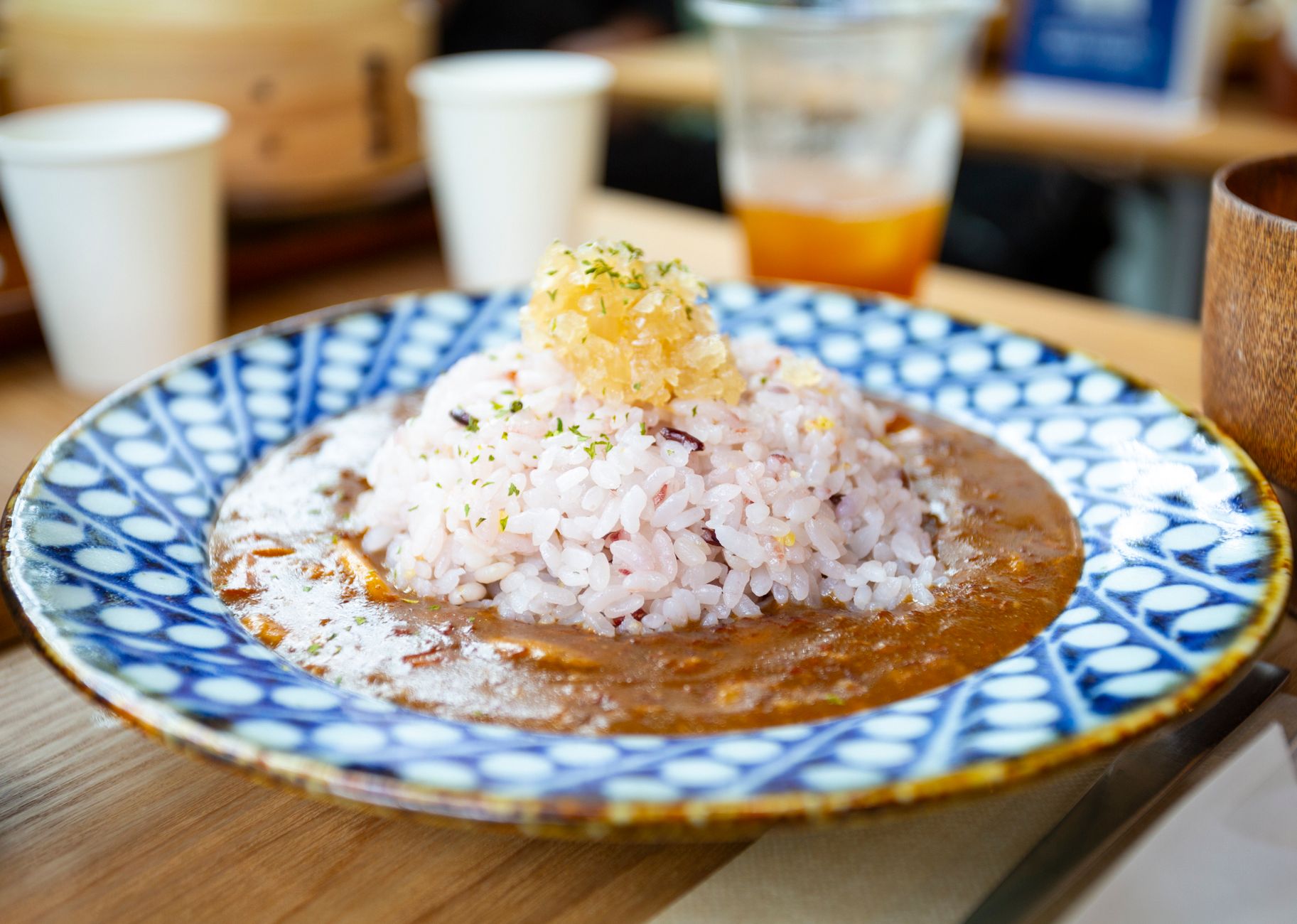
Glico is better known internationally for Pocky and Pretz, but their Torokeru Curry — torokeru meaning “to melt” — deserves serious attention. It’s one of the creamiest, most approachable roux on the market, with a noticeably buttery quality in the finished sauce.
I discovered Torokeru during a particularly cold January in Tokyo when I wanted something indulgent and quick. It came together beautifully with nothing fancier than chicken thighs, potato, carrot, and onion — the classic Japanese curry vegetable lineup. The meltiness isn’t just marketing: this roux genuinely dissolves faster and more completely than most competitors.
Pros:
– Exceptional melt and emulsification
– Noticeably buttery, creamy finish
– Good value per serving
– Widely available in Asian supermarkets
Cons:
– Limited to Mild and Medium heat levels
– Flavor profile less distinctive than Java or Golden Curry
| Detail | Spec |
|---|---|
| Net Weight | 230g (makes ~12 servings) |
| Heat Levels Available | Mild, Medium |
| Key Feature | Ultra-smooth melting roux formula |
| Gluten | Yes |
Best for: Weeknight cooks who want maximum creaminess with minimum fuss.
Maste Curry — Best Gourmet Upgrade
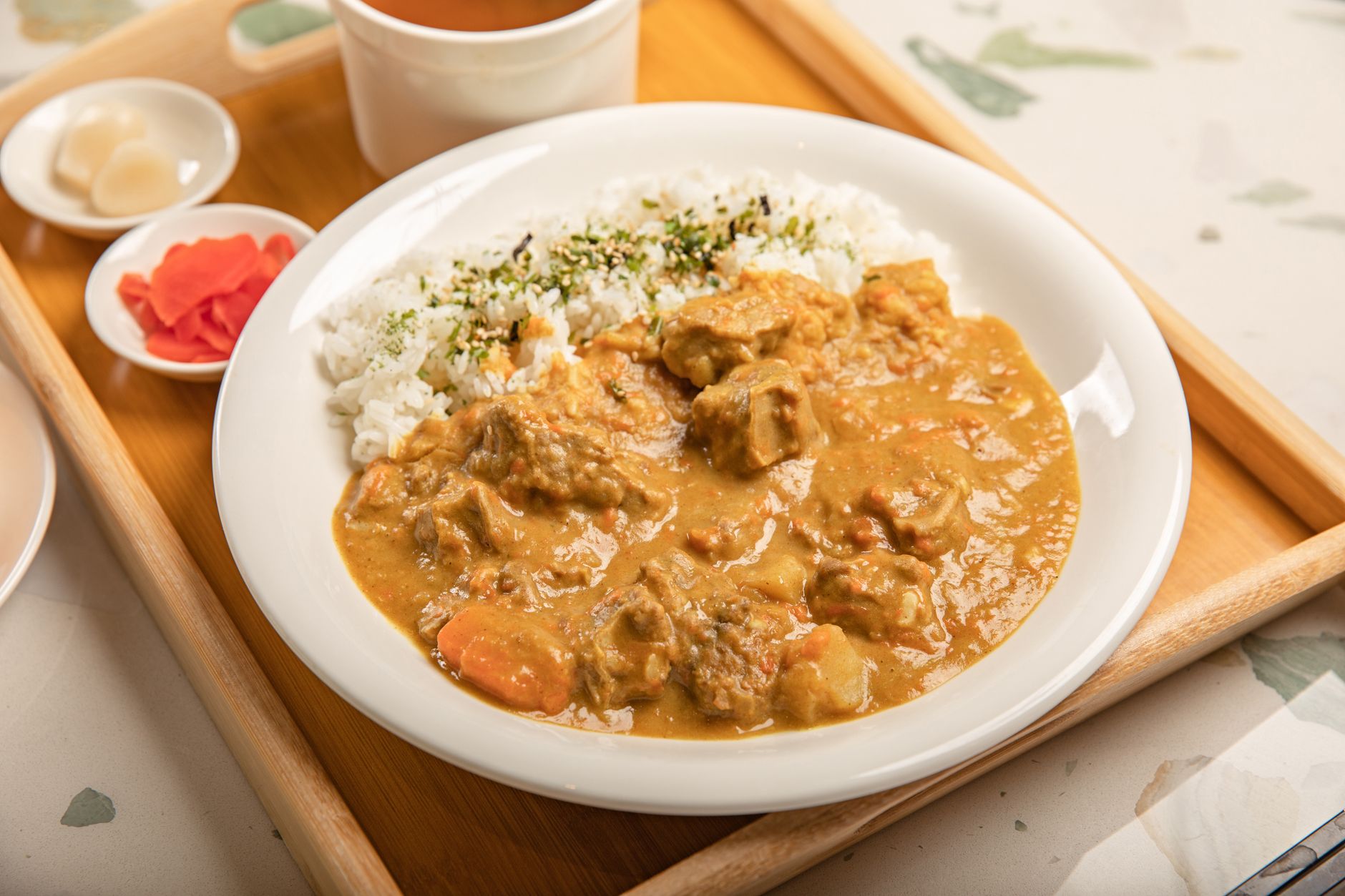
Maste isn’t a name most Western curry fans will recognize, which is exactly why it’s worth including. This premium brand — sold in specialty food stores in Japan and available via Japanese import retailers — uses a noticeably higher proportion of whole spice blends and avoids the heavy MSG loading of mainstream options.
I first found Maste at a specialty food fair in Daikanyama, and the difference in aroma alone when opening the box is immediately apparent. You can actually smell individual spices: cardamom, fenugreek, black pepper. The finished curry has a more layered, complex quality — less aggressively thick, more nuanced.
Pros:
– Premium spice quality with more detectable individual notes
– Lower MSG content
– Beautiful packaging (excellent gift option)
– Holds up to more complex add-ins like wine or miso
Cons:
– Significantly more expensive
– Harder to source outside Japan
– Smaller package size per price point
| Detail | Spec |
|---|---|
| Net Weight | 140g (makes ~6 servings) |
| Heat Levels Available | Medium |
| Key Feature | High-quality whole spice blend |
| Gluten | Yes |
Best for: Food enthusiasts willing to pay a premium for noticeably better spice quality and complexity.
S&B Dinner Curry — Best for Restaurant-Style Depth
S&B’s Dinner Curry sits a tier above Golden Curry in the S&B lineup, designed specifically for a more restaurant-style result. The spice blend is more elaborate — S&B lists over 20 spices — and the finished sauce has a darker, more wine-like depth that rewards a longer simmer.
I make this one when I have time on a Sunday: caramelizing onions for 40 minutes, using homemade stock, maybe adding a tablespoon of tomato paste and a square of dark chocolate. The results are genuinely impressive for a boxed product.
Pros:
– Most complex spice profile in the S&B lineup
– Rewards slow-cooking and thoughtful ingredient additions
– Medium and Hot levels both show genuine depth
– Impressive enough to serve to guests
Cons:
– Requires more cooking effort to reach its potential
– Slightly pricier than Golden Curry
– Less available internationally than other S&B products
| Detail | Spec |
|---|---|
| Net Weight | 175g (makes ~8 servings) |
| Heat Levels Available | Medium, Hot |
| Key Feature | 20+ spice blend for layered complexity |
| Gluten | Yes |
Best for: Experienced home cooks who want the closest possible result to a dedicated Japanese curry restaurant at home.
Buying Guide: What to Look for in Japanese Curry Roux
Heat Level
Japanese curry heat labels run significantly milder than Indian or Thai equivalents. If you have any spice tolerance at all, start at Medium Hot rather than Mild. “Hot” in Japanese curry terms is roughly a 3/10 on a global heat scale.
Block vs. Powder vs. Paste
This roundup covers block roux (the most common format), but S&B and others also make curry powder and paste versions. Blocks are most forgiving and produce the most authentic texture. Paste is faster; powder gives you the most control but requires more technique.
Ingredient Blending
The most popular Japanese home-cook trick is combining two roux brands in the same pot — typically one richer (Java) with one sweeter (Vermont). This creates remarkable complexity and is genuinely worth trying.
Dietary Considerations
Most Japanese curry roux contains gluten (wheat flour is a key thickening agent), dairy derivatives, and MSG. If any of these are concerns, look specifically for gluten-free or allergy-friendly versions — S&B does produce some allergen-reduced options for the Japanese domestic market.
Freshness and Storage
Boxed roux has a long shelf life (typically 18–24 months), but store in a cool, dry place. Once opened, wrap unused blocks tightly in cling film and refrigerate.
FAQ
Can I use Japanese curry roux without a recipe?
Yes — every box includes a straightforward recipe printed on the back (usually in Japanese, but the ratios are universal). The standard formula is roughly 100g roux to 600ml water for 3–4 servings. Protein and vegetables are up to you.
Is Japanese curry roux spicy?
By global standards, no. Even “Hot” Japanese curry roux is relatively mild. It’s designed to be warming rather than fiery. For genuine heat, add dried chili flakes, fresh chili, or S&B’s chili powder as a separate seasoning.
Where can I buy Japanese curry roux outside Japan?
S&B Golden Curry and House Vermont Curry are the most internationally available — you’ll find them at most Asian supermarkets and on Amazon. Specialty brands like Maste require Japanese import retailers or direct ordering from Japan.
Can I make Japanese curry roux from scratch?
Yes, and it’s a rewarding project. The base is a dark roux (butter and flour cooked until nutty brown) combined with your own spice blend. However, the convenience and consistency of boxed roux is genuinely hard to beat for weeknight cooking.
Is Japanese curry roux gluten-free?
Most are not — wheat flour is essential to the roux’s thickening function. However, S&B produces a gluten-free curry powder, and some specialty brands are experimenting with rice flour alternatives. Always check the label carefully.
Conclusion: My Personal Recommendation
If I’m restocking my Tokyo kitchen pantry today, I’m reaching for S&B Golden Curry Medium Hot as my everyday workhorse and House Java Curry Hot for weekends when I want something with more character. And if it’s a special occasion — friends coming over, a slow Sunday afternoon, a pot that deserves a proper Bordeaux alongside it — I’m going straight to S&B Dinner Curry and giving it the time it deserves.
For newcomers, start with Golden Curry. You’ll understand immediately why Japanese curry has become one of the country’s most beloved home-cooked dishes — and you’ll probably have a box in your cupboard for the rest of your life.